

How to Lose Fat in 2026

.png)
.png)
How To Lose Fat in 2026: Discover proven methods to shed fat without losing muscle. GetFit shares clear tips on workouts, diet, and recovery for real results.
Ambitious New Year's Goals can spark a desire for transformation, yet busy routines, conflicting diet advice, and persistent habits often slow progress. Steady fat loss is achieved by focusing on balanced calorie control, strength training to boost metabolism, sensible cardio, sleep quality, and stress management. A realistic plan that fits work, family, and social commitments transforms complex fitness strategies into manageable, everyday steps.
Breaking down fitness challenges into actionable routines turns uncertainty into confidence. A methodical approach that incorporates portion control and simple tracking can simplify the journey to personal well-being. GetFit’s AI fitness app turns essential steps into an adaptive daily plan that fine-tunes meals and workouts while reliably tracking progress.
Summary
- Start with a concrete commitment device for 30 days, using time-based actions and a low-effort fallback routine so momentum survives stress spikes rather than collapsing into all-or-nothing behavior.
- Resistance training delivers measurable tissue changes, with studies showing a 1-2 kg increase in muscle over 6-12 weeks, which increases resting energy expenditure and helps protect lean mass during a calorie deficit.
- When time is tight, short high-intensity interval training can be efficient, with studies showing a 4-5% reduction in body fat over 12 weeks when performed 2-3 times per week, provided recovery and sleep are supported.
- Make protein a nonnegotiable process metric, targeting about 1.6 grams per kilogram of body weight and distributing intake across meals to preserve muscle and improve satiety.
- Track simple decision rules in 10 to 14-day calibration windows, and treat an approximate 8 percent drop in training load as the trigger to adjust calories or recovery rather than guessing.
- Use brief, surgical microcycles to restore performance, for example, a two-week bump of 200 to 300 calories or cutting long steady cardio by 30 to 50 percent for 1 to 2 weeks to stop strength declines and protect training quality.
- This is where GetFit AI's AI fitness app comes in: it converts the article's steps into a day-to-day plan that adapts to schedules, fine-tunes meals and workouts, and tracks the key metrics and microcycles recommended above.
15 Ways to Lose Fat in 2026
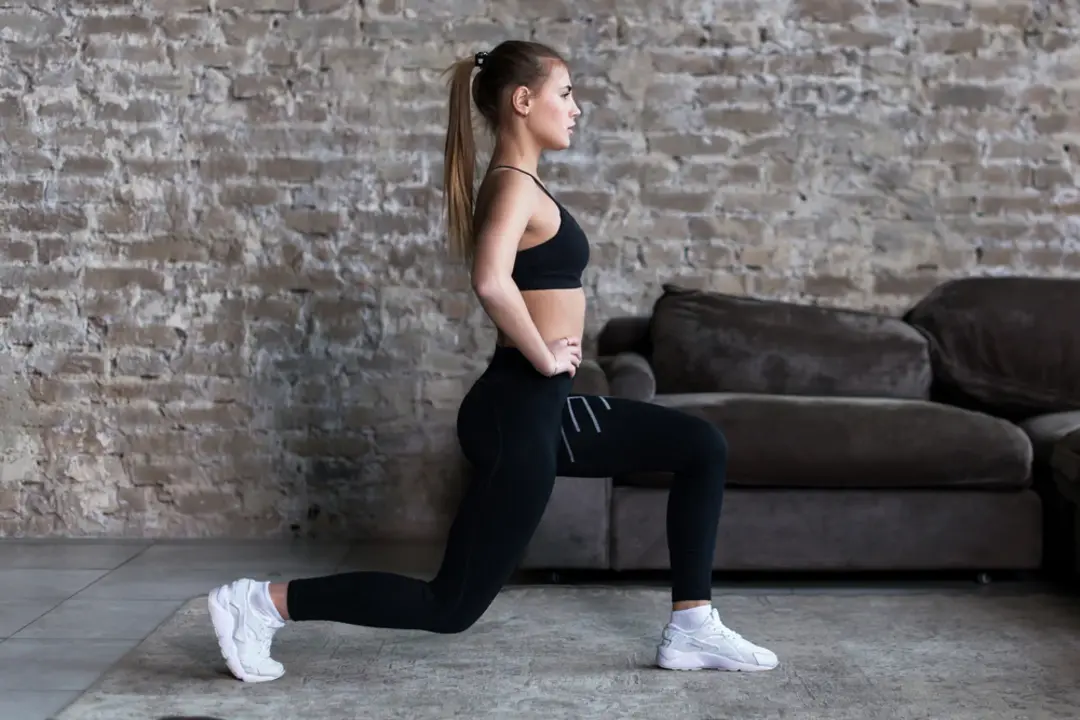
These 15 tactics make up a layered playbook, not just a checklist to glance at once. It's essential to use them all together. Focus on what works for your life and create routines that lead to real change from week to week.
If your goal is to reach 15% body fat, plan your training and nutrition to preserve muscle while losing fat. Below, I explain what to do for each item, including practical rules, common mistakes, and easy steps you can start using tomorrow. To support your journey, consider utilizing an AI fitness app like ours for personalized guidance.
1. What should I do to prepare mentally and emotionally?
Prepare Mentally and Emotionally. Start with a commitment device you can enforce for 30 days, like a daily check-in or a coach message, then extend it. This is where habit scaffolding matters: set clear, time-based actions, like wake-up time, training slot, or grocery swap, instead of vague intentions.
A common problem I see across age groups is that real motivation often breaks down when stress levels rise. It's helpful to plan a low-effort fallback routine for busy days. This way, momentum can continue rather than depending on a perfect plan that can fall apart into an all-or-nothing mindset.
2. How can strength training help?
Incorporate Strength Training. Progressive overload is the rule, not just focusing on repetitions for looks. It is essential to track load, sets, and tempo so that one variable can be increased every 7 to 21 days.
This consistency helps protect lean mass while lowering body fat. When time is short, prioritize compound lifts and shorter rest periods to stay efficient and maximize metabolic effects.
3. What does a high-protein diet entail?
A high-protein diet emphasizes consuming enough protein to support muscle repair and maintain satiety. It's essential to spread protein intake across meals to maintain an appropriate amount at each, which helps keep your muscles healthy.
If you find it hard to control your appetite in the afternoon, try having a protein-rich snack before you get too hungry, instead of waiting until then. Both the quality of the protein you eat and when you eat it are practical ways to help prevent muscle loss when you consume fewer calories.
4. How important is quality sleep?
Prioritize quality sleep. Treat sleep like a training session you must attend; it supports recovery, influences hunger hormones, and affects training progress. Start by setting a consistent wake-up time, then create wind-down rituals. Simple changes, such as dimming the lights an hour before bed, can be more effective than having inconsistent late nights.
When sleep quality declines, you can expect to feel less energetic and make poorer food choices. It’s smart to plan easier training sessions and stick to a stricter meal prep routine on those days.
5. How can vinegar be beneficial?
Add vinegar to your diet. Use a tablespoon of apple cider vinegar mixed in water before a main meal. This helps you feel more full, but it's not a magic solution.
Monitor for any reactions, such as reflux or enamel erosion; using a straw or mixing it further may help. The real benefit comes from its effect on your habits: it lessens how often you eat and can help cut down on extra calories without making considerable changes to your diet.
6. What drinks should I select?
Select Nutritious Drinks. Replace high-calorie drinks with plain water, sparkling water, green tea, or plain coffee. This simple change can help reduce excess calories that accumulate over time. Regular exercise is also calorie-expensive, and a challenging workout can burn up to 500 calories per session (Harley Street MD, 2025).
Combining these drink choices with regular exercise increases the calorie deficit. Also, drinking water before meals can help reduce hunger, and it's best to avoid high-calorie drinks before bed.
7. How can soluble fiber help in weight loss?
Boosting soluble fiber consumption can significantly aid in weight loss. It is advisable to increase soluble fiber gradually to avoid tummy troubles.
One should add fiber to each meal through options like legumes, oats, and fibrous fruits.
Soluble fiber slows the rate at which food leaves your stomach, making blood sugar levels steadier and helping you feel full, which can reduce the number of calories you eat.
If bloating becomes a problem, it is wise to slow the increase in fiber intake while ensuring a variety of fiber sources throughout the week.
8. Why should I limit processed carbs?
Limit processed carbs by swapping refined grains for whole options. Pairing carbs with protein and fat can help blunt insulin spikes and reduce post-meal cravings.
A common mistake is going back and forth between restrictive rules and bingeing. Instead, aim for reliable swaps you can stick with over the long term, rather than following short-term, perfectionist rules.
9. How can I ramp up aerobic exercise?
To ramp up aerobic exercise, schedule regular moderate-intensity sessions and treat them as the baseline rather than the whole plan. One effective way to do this is to set clear weekly goals, such as three 30- to 40-minute sessions, and gradually increase the pace or duration of your workouts.
To ensure you are improving, use heart rate or perceived effort. This helps prevent sessions from becoming easy walks with insufficient challenge.
10. What are the benefits of black coffee?
Enjoy black coffee strategically to increase alertness and slightly raise fat oxidation. It is essential to avoid adding sugar or cream, as these additives negate the benefits. Timing caffeine intake around training sessions can improve performance.
Additionally, tracking sleep effects is crucial. Consuming caffeine late in the day can undermine recovery and stall fat loss.
11. What is HIIT training?
Embrace HIIT Workouts: Use short, repeatable HIIT templates, such as 20 minutes of intense intervals with defined work-to-rest ratios. Try to have two to three sessions each week to prevent recovery debt. The biggest mistake is doing random sprints without a load plan, which can lead to injuries or long-term fatigue. It's essential to structure your intensity and monitor your readiness.
12. What are probiotic foods, and why include them?
Include probiotic-rich foods or supplements that are backed by evidence and state the strain and CFU counts. Combine them with a fiber-rich diet to support the growth of beneficial bacteria.
Changes in your microbiome will be gradual and build over time; think of probiotics as supporting digestion and appetite regulation over several months, not as a quick fix.
13. Why maintain iron levels?
To maintain optimal iron levels, get blood work that includes ferritin and hemoglobin. Then, correct any deficiencies through guided supplementation or dietary changes.
Low iron can quietly reduce training intensity and daytime energy. Fixing this issue often leads to better performance and helps you stay consistent with your workouts.
14. What is intermittent fasting?
Try out Intermittent Fasting. Pick a regular feeding window that aligns with your social activities and work schedule, and give it at least four weeks before deciding whether it works. The biggest challenge is social friction, so choose a method that helps you stay involved rather than feeling left out. If fasting often leads to social stress, consider switching to time-restricted eating, which enables you to maintain connections.
15. How to integrate healthy fats into a diet?
Add healthy fats by using calorie-dense options to increase satiety. Measure them carefully instead of using them freely. A careful tablespoon of olive oil, a small handful of nuts, or half an avocado at a meal can help reduce grazing.
It's essential to track portions because, while fat helps you stick to your plan, it doesn't reduce your overall calorie intake. Also, swap refined fats for whole-food options to boost nutrient density and support lasting fullness.
What common mistakes do people make?
Many people fall into the trap of status quo disruption by just following generic advice. They often add cardio and calorie cutting during a busy week because it seems simple. This familiar approach might work at first, but it frequently breaks down when things get complicated. This can lead to yo-yo cycles and muscle loss, making it harder to sustain long-term changes.
Solutions that include athlete-rooted personalization and in-app coach chat offer the proper structure. They provide tailored routines and technical feedback that help keep training progressive and maintain accountability, adjusting as schedules change.
What should I track for progress?
A final tactical note: track one measurable metric each week, such as training load, protein grams, or sleep hours, rather than ten.
Progress happens when one variable improves steadily over weeks, not when many variables change.
A quick analogy is that fat loss is like tuning an engine over months: small, consistent changes accumulate and lead to visible results.
What’s the next step?
This represents the practical layer. The next step examines areas that can become unexpectedly complex and personal.
Related Reading
How Do Different Types Of Exercise Impact The Ability To Lose Fat?

Different exercise types influence where and how your body burns fuel. They should be seen as tools rather than just rituals. Some sessions can lead to immediate calorie burn, while others support long-term changes by building muscle or improving metabolic health.
The choice and order of exercises are critical to determining whether fat loss is quick, lasting, or holds you back. Additionally, integrating an AI fitness app can provide personalized insights to optimize your exercise routine for better results.
What is the role of cardio and steady-state exercise?
Aerobic activities such as walking, jogging, swimming, and cycling primarily help burn calories during exercise. This extra energy use helps create the calorie deficit needed to lose fat. Doing moderate-to-vigorous cardio sessions totaling 150 to 300 minutes per week is strongly linked to losing body weight and fat. You can get even better results when you combine cardio with healthy eating habits.
How does resistance training help in fat loss?
Strength training with free weights, machines, or bodyweight exercises plays a vital role in fat loss by maintaining and even building lean muscle mass. More muscle can raise your resting metabolic rate and improve insulin sensitivity. For overweight people, adding resistance exercises leads to greater fat loss and better improvements in body composition than doing only aerobic workouts.
What are the benefits of HIIT and circuit training?
HIIT and circuit workouts consist of short bursts of high-intensity effort followed by rest or lighter activity. They burn a lot of calories in a short time and create an afterburn effect, where your metabolism stays higher after you exercise.
Studies show that HIIT can lower both total fat and harmful visceral fat more effectively than steady exercise. Still, it requires more careful adjustments and may not be right for everyone, especially beginners or those with health issues. For personalized guidance, consider how our AI fitness app can help you design effective workouts tailored to your needs.
How can combining cardio and resistance workouts enhance results?
Combining cardio and resistance workouts can lead to significant improvements in fitness outcomes.
Programs that combine moderate cardio with resistance training often deliver the best results for fat reduction, weight management, and overall fitness. This method is beneficial for older adults and those new to exercise, as adding resistance training helps prevent muscle loss and better preserves strength than aerobic exercise or diet alone.
What is a practical approach for effective fat loss?
An effective fat-loss plan typically includes regular moderate cardio to burn more calories each week, 2 to 3 full-body strength-training sessions each week to maintain or build muscle, and, optionally, short HIIT or circuit workouts if your joints, ability to recover, and overall health can handle them.
Ultimately, the best exercise routine is one that follows these principles while being safe, manageable, and enjoyable enough to keep you motivated for the long term.
How do different exercises alter metabolism over time?
This pattern often occurs in training plans: resistance work changes tissue composition by increasing metabolically active muscle. On the other hand, steady aerobic activity increases daily calorie burn through longer sessions and higher activity levels.
Resistance training can increase muscle mass by about 1 to 2 kilograms over 6 to 12 weeks, as noted in the 2017 study "Role of Physical Activity for Weight Loss and Weight Maintenance."
This increase in muscle mass increases resting energy expenditure and is critical for protecting against metabolic slowdown during a calorie deficit.
When should you use HIIT instead of steady cardio?
When time is short, choose methods that fit your recovery and schedule, because intensity without recovery can stall progress.
High-intensity interval training is practical for losing fat quickly, with studies showing a 4-5% drop in body fat over 12 weeks, according to research published in Role of Physical Activity for Weight Loss and Weight Maintenance, 2017. So, HIIT is a practical choice for athletes who can recover while still improving their skills. It is suggested to do HIIT two to three times a week if you can get enough sleep, eat well, and have days for lower-intensity recovery.
How to sequence workouts for optimal results?
If strength is the primary goal, schedule heavy lifting when you are most energetic. Do higher-volume aerobic workouts later in the day or on different days. This is because neuromuscular fatigue from heavy lifts can reduce your power and adaptation if you do cardio first.
Think about your training in blocks of stimulus and recovery: use intense strength blocks focused on increasing weight for 4 to 8 weeks, followed by controlled conditioning weeks. This way, you'll maintain long-term fat loss more effectively than by randomly adding high-volume cardio to every workout.
What are the common pitfalls in exercise programs?
A problem-first approach shows that the most significant hidden failure is a mismatch between program intensity and daily recovery. This issue is often made worse by extreme dieting. Clients face this challenge because severe restriction triggers the body’s emergency energy response, which increases hunger and encourages rebound weight gain.
Additionally, this response reduces training quality, leading to workouts that no longer signal the body to build muscle. The emotional cost is significant; it can feel crushing to give up social meals while still seeing the scale stall. This shows why sustainable deficits and regular recovery monitoring are more effective.
How do you know when to adjust your training?
What practical signals indicate a need to adjust training? Focus on performance, not just the scale.
If lifts stop improving for two to three weeks, or if interval power declines even though you keep your calories the same, this shows an apparent readiness failure, not a motivation issue. Track one primary measurement each week, like training load, interval wattage, or your best set of repetitions. This tracking will help you determine whether to increase intensity, add a recovery day, or adjust your calorie intake.
What are the drawbacks of excessive cardio and diet?
Many individuals turn to too much steady cardio and strict calorie cutting because it seems easy and effective. Although this standard method can yield quick results, it carries hidden drawbacks, including reduced training quality and reduced progressive overload. These issues eventually slow down fat loss and reduce overall function.
Platforms like GetFit AI offer athlete-designed routines that adapt based on recovery and body composition. Moreover, the in-app coach chat provides technical feedback and accountability, helping users keep their muscles while staying intense and committed.
How to tailor your program for long-term success?
Think of your program like tuning a car. Aerobic work opens the throttle for longer trips, while resistance training upgrades the engine, and HIIT tests the cooling system.
The right tune depends on the vehicle and the route; it's not a one-size-fits-all checklist.
What is the critical tipping point for permanent progress?
This may look tidy on paper, but there is one practical tipping point that determines whether a plan leads to permanent progress or results in another cycle of frustration.
What Is The Role Of Exercise In Fat Loss?
.webp)
Exercise is a nonnegotiable tool for fat loss because it does two critical things: it increases total calories burned and reshapes the body while you lose weight.
By using the right mix and order, exercise helps fat come off in a way that can last; however, a wrong approach might make you smaller but softer, and eventually frustrated.
How does exercise shift where your body gets fuel?
When you move, your muscles need energy, which shifts fuel use toward stored fat, especially during more prolonged or repeated sessions over weeks.
Regular aerobic activity leads to noticeable reductions in body fat over time. Research shows that aerobic exercise can reduce body fat by 2-3% over 3-6 months, demonstrating that steady conditioning is a reliable, low-risk way to lower fat when paired with a moderate-calorie plan.
What does strength work actually buy you, and how fast?
Strength training changes tissue composition and dramatically improves your posture, strength, and how your clothes fit, not just the number on the scale. Research shows clear muscle gains in a short time.
For example, findings indicate that resistance training can increase muscle mass by 1-2 kg over 6-12 weeks, as reported in the study titled "Role of Physical Activity for Weight Loss and Weight Maintenance." This is why targeted lifting can make you look leaner as you lose fat and can help you stay active as you lose weight.
Where do most programs break down, emotionally and practically?
When coaching clients through 8- to 12-week cycles, a clear pattern emerges: those who feel judged by friends or forced into performative routines tend to burn out sooner. On average, they skip two or more planned sessions per week and go back to comfort eating.
This emotional pressure is real; it hurts consistency and changes exercise from a tool into a chore. The solution is not just more willpower, but a routine that one can approach confidently, privately, and progressively.
Why routine and feedback matter more than random effort?
Most people do lots of regular cardio while eating fewer calories because it seems easy. This approach works for a little while, but the downside is a drop in training quality. People move away from technically correct progressions, missing out on long-term benefits.
Apps like the AI fitness app help solve this problem by offering routines designed by athletes that adjust based on how well users are recovering. They also provide coach chat for quick technical feedback, helping users maintain intensity and avoid the common issue of producing too much low-quality work.
What simple measures indicate real change when the scale is skewed?
Swap obsessive daily weigh-ins for quick, repeatable tests that show body composition and function. You can check how tight your jeans feel at two different times, do a timed stair climb, or record a three-rep top set on a compound lift each week.
These small tests give you clear insight into whether your workouts are helping you improve strength, endurance, or body shape. They help keep motivation focused on capability instead of vanity.
What happens when fat loss threatens muscle?
While that progress may seem reasonable, it raises a key question: what happens when fat loss jeopardizes the very muscle needed to maintain overall strength?
How can GetFit AI help with training?
Ready to train like the legends and finally achieve the body you've always wanted? GetFit AI's fitness trainer app lets you follow the exact workout routines that made Arnold Schwarzenegger, Kobe Bryant, Cristiano Ronaldo, Serena Williams, and 11+ other elite athletes champions.
You can also chat with them whenever you need guidance or motivation. Download the #1 rated AI fitness app for free today to get fit for less than the cost of a single month's gym membership. Greatness isn't from birth; it's built one workout at a time.
Related Reading
Should I Be Worried About Losing Muscle When Trying To Lose Fat?
Yes, one should be alert, but not panicked. Muscle loss during fat loss is a manageable risk if addressed early. It requires careful adjustments rather than drastic cuts. The practical question is less about fear and more about recognizing signals and implementing short, targeted fixes that halt decline without derailing the entire plan.
For more guidance, consider exploring the AI fitness app for tailored solutions.
How will I know if the muscle is actually shrinking?
Watch performance trends, not just the scale. If top-set barbell numbers drop by about 5 to 10 percent, or if you lose two or more reps at a weight that used to feel comfortable for two to three weeks in a row, this is a strong sign that your body is shifting its focus away from building strength. Use simple tests, such as checking your three-rep max each week or timing how fast you can climb stairs.
Also, take photos and record measurements under consistent conditions every two weeks for comparison. These combined signals give you valuable time to address potential changes before they become noticeable.
What quick training fixes stop the bleed?
When performance drops, it's essential first to reduce accumulated fatigue. Cut long, steady cardio sessions by 30 to 50 percent for one to two weeks. Keep heavy lifts, but lower accessory volume. Move your highest-intensity sets to times when you are freshest during the week.
Think of this approach as a controlled maintenance block, not a reward for failure. It maintains neural and mechanical stimuli that keep the muscle strong while avoiding the overreach that can result from adding extra work when calories are low.
Why do short caloric or refeed tweaks work?
A two-week increase of 200 to 300 calories, or a planned higher-carb meal each week, can restore training quality and reduce hormonal signals that accelerate tissue breakdown.
This method is not a rollback; it is a strategic pause to protect lean mass and support future fat loss. These should be seen as micro-interventions, measured and temporary, instead of being viewed as a reason to stop the deficit.
What to do when appetite suppression makes eating enough impossible?
When medication or life stress suppresses hunger, it is vital to switch to higher-protein, lower-volume options. Some good choices include protein-rich shakes, slow-release casein taken at night, and calorie-rich liquids that mix protein with healthy fats.
Also, using strong leucine sources around workouts can help kickstart protein synthesis even when full meals are not appealing. These methods help preserve protein integrity without requiring larger meals, which might make you avoid eating altogether.
Which objective thresholds should force a plan change?
If both strength and circumference decline for three consecutive weeks, or if training quality drops to 6 out of 10 or lower for more than two weeks, it is crucial to take a break from deficit training. You should switch to a maintenance phase for 10 to 14 days.
This break can help avoid months of setbacks. Think of this rule as a safety valve that enables you to save time rather than waste it.
Why does the resistance signal matter more than you think?
The protective power of resistance training is evident in real-world results: strength training can help preserve up to 30% more muscle mass during weight loss, according to ukactive. This shows why keeping load is your first line of defense. Clinical comparisons make the point even clearer. Participants who engaged in resistance training lost only 10% of their muscle mass, compared with those who did not. The Independent shows that consistent stimulus shifts loss away from lean tissue.
What planning mistake quietly ruins good intentions?
Think of muscle as a tool in a workshop. If you consistently use it for essential tasks, you are much less likely to lose it during hard times. However, if it stays unused, your body might start using cheaper fuel instead. This comparison helps you make decisions about everything, from meal composition to microcycles and refeed scheduling.
How Do I Set Goals For A Fat Loss Phase?
Set goals for repeatable actions you can do every week, rather than focusing solely on a target weight. Change your desired results into a few measurable rules for how to get there. Use short testing periods to validate these rules and create simple decision tools to make changes before a slowdown becomes a significant problem.
What does a practical, measurable fat-loss goal look like?
Aim for a goal setup that combines a clear result with two process anchors. For example: 1) a body-composition target over 12 weeks, and 2) weekly process rules that help you achieve that, like a calorie range and three performance checks.
According to Natural Sciences NWU, a 20% reduction in calorie intake can lead to significant fat loss. This means you should plan a small range of calorie deficit rather than a single fixed number, so you can maintain training quality while making steady progress.
How should you protect muscle while pursuing fat loss?
Treat muscle preservation as a primary goal by turning it into a clear target, not just a wish. Set a protein goal based on your body weight that you must stick to on training days. The guideline from Natural Sciences NWU suggests increasing protein intake to 1.6 grams per kilogram of body weight to help keep muscle while losing fat. Figure out how many grams you need, spread them across your meals, and track your intake weekly as one of your key metrics.
How do you build decision rules and short calibration windows?
Set 10 to 14-day calibration windows where you check three signals: weekly average calories, a rolling training-load metric (sets times reps times load), and one functional test, like a timed set or sprint.
If the training load drops by more than 8 percent over two weeks, make a predefined adjustment. This could mean restoring 100-200 calories per day for 7-10 days, or reducing accessory work while maintaining heavy sets. These rules help avoid reactive guessing and ensure that small changes are surgical instead of catastrophic.
What should you do when the scale stalls?
Most people set a single target weight and then change everything when the scale stops moving. This makes sense because one number is easy to understand. But this method doesn't work well when things get more complicated. There are no clear rules for minor adjustments, and progress turns into a series of quick changes.
Platforms like GetFit AI offer athlete-designed templates and a chat feature with coaches. This helps users get instant advice on their training and feedback on their techniques. It reduces the time required to decide what to do and maintains high training quality when the plan changes.
Which metrics should you track weekly to keep goals honest?
Select two leading metrics and one lagging check, then treat them like contracts. Metrics that predict future progress include training load, daily protein intake, and sticking to a calorie window. A good lagging check might be biweekly circumference measurements or a quick strength test.
In 30-day commitment periods with clients managing appetite control, the pattern showed clearly within two cycles. Focusing on protein fidelity and training load significantly reduced mental effort around food and improved adherence to the plan.
What decision rules prevent panic and preserve momentum?
Create three simple if-then rules: if your training load drops by more than your limit, switch to short maintenance and keep your heavy sets; if your protein averages go below the goal for two weeks in a row, focus on protein-first meals and include a protein shake; if your weekly calories average is much lower than the goal and your training is not going well, add 100 to 200 calories for a specific microcycle.
Think of this as changing a vague goal into a small control panel that you can adjust, instead of an emergency brake that you pull when you feel discouraged.
How is goal-setting similar to tuning a radio?
Picture goal-setting as tuning a radio. It's not about hitting mute or blasting the volume, but rather about making minor adjustments.
These little tweaks help keep the signal clear and the music playing.
What is the next step in your fat-loss journey?
That next step can change everything. It starts with one surprising choice that you may wish you had made earlier.
Make Your Favorite Athlete Your Fitness Trainer | Try GetFit AI's AI Trainer App for Free Today
GetFit AI was created to fix the problems with mixed-up fitness plans. The app combines athlete-designed routines with in-app coach chat. This creates a personalized program that supports fat loss while maintaining strength. Users can download the app for free and start a measurable fitness journey.
Think of it as having a coach in your pocket, who can change workouts, calories, and recovery, so that small, steady achievements lead to real body composition changes. Try our AI fitness app today.
Related Reading
- How To Build Muscle
.png)