

How To Build A Workout Plan in 2026

.jpg)
.png)
How to Build A Workout Plan in 2026 with clear routines and targets. GetFit AI outlines practical steps to boost strength and track progress.
Many people set New Year's Goals to improve fitness, but vague promises and sporadic workouts can lead to inconsistent progress. Balancing work, family, and a mix of cardio and strength training often leaves individuals without a clear plan. Focusing on personalized goal setting, progressive training techniques, and balanced nutrition can lead to noticeable strength gains, fat loss, and sustained energy.
A well-structured workout routine integrates clear targets with adaptable training methods to drive steady improvement. Tracking progress and fine-tuning exercise plans are essential for transforming intentions into lasting habits. GetFit AI's AI fitness app provides personalized exercise plans and dynamic tracking tools to support consistent progress.
Summary
- Structured programs significantly increase follow-through: 70% of people who set fitness goals achieve them when they have a structured workout plan, underscoring that mapping exercises to specific outcomes is a core driver of success.
- Strength work should be focused and repeatable, with at least two strength-training sessions per week and four to six high-value exercises per session, so the first two movements receive the heaviest, most consistent effort.
- Use objective tests and timelines to judge effectiveness, targeting at least a 10 percent improvement in strength within an eight-week block and retesting with the same 3 to 5 rep max or timed efforts to validate real adaptation.
- Habits beat willpower, because 70 percent of people who start a workout plan in January quit by February, and simple anchors like a 15-minute routine twice a day or micro-sessions when time is tight markedly improve attendance.
- Keep tracking lean and actionable by using a small KPI set, for example, one performance metric, one process metric, and one recovery metric, and note that 75 percent of organizations that regularly track KPIs report improved performance.
- Protect progression with clear rules and scheduled recovery; change no more than one variable every two to four weeks; plan deloads every four to eight weeks; and cut volume by roughly half during deloads to confirm recovery before ramping intensity.
- This is where GetFit AI's AI fitness app fits in; it addresses planning friction and inconsistent progression by auto-scaling intensity based on logged performance, centralizing KPI tracking, and surfacing deload and substitution recommendations.
How Do I Choose The Right Exercises For My Workout Plan?

Choose exercises that match your goals, experience, and ability to stay consistent. Start with a small set of multi-joint movements aligned with your desired outcomes. As you get stronger and more confident, add more specific exercises and increase the volume. To help you with this process, consider our AI fitness app, which customizes workouts based on your goals.
Which exercises are most effective for me to reach my goal?
It's crucial to match movements to your goal instead of just how they look. For fat loss, focus on full-body, calorie-dense movements that target both the upper and lower body. This way, each session helps you burn more calories while building strength.
If your goal is to build muscles, start with the big lifts and add targeted accessory movements to target specific muscles groups. This connection is vital for good planning. In fact, a study by WodGuru found that 70% of people who set fitness goals achieve them with a structured workout plan, indicating that structure helps you stick to your plan and achieve better results.
How should I scale exercises to my current level?
When coaching athletes through 8- to 12-week beginner blocks, the pattern is clear: starting with foundational patterns builds momentum and reduces setbacks.
Beginners should begin with controlled squats, hip hinges, horizontal pulls, and pressing patterns.
Load, range, or complexity should only increase after mastering the technique.
Many lifters feel overwhelmed and are afraid of injury, so it's crucial to keep progression predictable.
Increase one variable at a time, using good form as the measure that allows participants to add weight or reps.
Which movement patterns should be included in every plan?
It's essential to cover the main types of human movement: leg squat variations, hip hinge for the back, horizontal and vertical pulls for the back and arms, and horizontal and vertical pushes for the chest and shoulders. These compound patterns use many muscle groups and apply to both sports and everyday activities. To meet strength goals, adhere to frequency guidelines that support recovery and adaptation. Notably, WodGuru recommends strength training at least twice a week for optimal results, helping you plan how to distribute movements throughout the week.
How many exercises should I program per session?
At first, it's better to focus on fewer exercises and then gradually add more challenging ones. Try to complete four to six key exercises in each workout, focusing most on the first two movements, where you should perform the heaviest lifts. If you include too many exercises, it can split your focus and make you more tired, which leads to fewer good repetitions. This can cause you to stop making progress and feel burnt out.
Think of a workout session like a toolbox; take the screwdriver, not the whole garage, when you only need to tighten one screw.
What do I do if equipment or time is limited?
Choose substitutes that keep the movement intent. For instance, a goblet squat or split squat can work well instead of a heavy barbell squat when you can't load it heavily. If you can't do deadlifts, a Romanian deadlift with dumbbells will still help you learn hip hinge mechanics.
When you have limited time, consider pairing a compound lower-body exercise with an upper-body push or pull to maintain high training density. This approach, tailored to your limitations, ensures workouts remain effective even when you can't access the entire gym.
Why do people still pick the wrong exercises?
This challenge is common among home gym lifters and club members. Trend-driven selections or the practice of copying random routines may feel safe, but they often lead to mismatched intensity and uneven progress.
The main problem is that workouts are selected without considering recovery and progression, which leads to stalled gains and reduced motivation. Many people feel frustrated with planning and tracking their workouts, which often turns consistent intent into half-finished attempts.
How should I mix compound and isolation work?
Compound movements are key to a training program, while isolation exercises provide essential improvements. It's a good idea to start every training block with compound exercises, which help build capacity and create systemic stress. After that, adding a few targeted isolation sets can help address weak points or aesthetic goals.
In practice, while compound exercises build overall strength, isolation exercises focus on specific muscle groups. If one joint or muscle is weaker, using a specific accessory for two to three sets can help before returning to the main lifts.
How can I avoid decision fatigue when planning my workouts?
To avoid decision fatigue when planning workouts, choose three anchors for each training day, each showing a different pattern. Then select one or two accessory moves that address a specific gap.
For example, day one could have the front squat, pull-up, and bench press, along with face pulls to improve shoulder health. This small, deliberate menu lowers decision fatigue, making every session more valuable.
How do I know if my exercises are producing results?
The unsettling part is that determining whether exercises are producing the changes we want can be more difficult than we think. This understanding may lead us to encounter unexpected aspects of our progress.
What is the hidden cost of trial and error?
Most teams handle this through trial and error. This makes sense when learning basic techniques, but the hidden cost appears as wasted months and uneven progress. That familiar approach works early on, but as factors such as schedules, past injuries, and specific athletic needs increase, the mismatch grows.
Platforms like GetFit AI offer athlete-designed template blueprints, AI personalization, and chat coaching. This lets users choose a legend-style routine, automatically adjust intensity, and keep their progress on track without the hassle of planning.
How Do I Know If My Workout Plan Is Effective?
A workout plan works well when objective measures show improvement, recovery times and daily energy levels get better, and you can stick to your routine without getting hurt or feeling exhausted. To make this happen, use repeatable tests, keep simple records, and set a clear schedule for rechecking your progress.
This method will help you shift from guessing to spotting what really works. Consider using an AI fitness app to track your progress more effectively.
How should I set measurable targets?
Select two main, time-limited goals that show your aim clearly: for instance, a strength number and a skill or distance. State these as specific lifts, rep goals, or time efforts, and write down the targets along with the date you plan to test them.
Coaching athletes through eight-week blocks showed a clear pattern: having one measurable goal each week, plus a second goal to retest every four to eight weeks, transformed unclear efforts into predictable results while maintaining high motivation. For more insights, check out this guide on setting measurable fitness goals.
What short-term tests actually prove that strength is increasing?
Using the same simple tests each cycle ensures that comparisons are fair. Do a controlled 3 to 5 rep max for compound lifts, an AMRAP set at a fixed load, or a timed sprint. Conduct these tests in week one and again during the scheduled retest week; the retest indicates whether the training led to fundamental changes. According to the Strength Training Guide, "An effective workout plan should show at least a 10% improvement in strength within 8 weeks." This goal helps determine whether to continue with the block or adjust the intensity, volume, or exercise selection.
How should I interpret changes in body composition and weight?
The scale should be treated as just one tool in your fitness journey. Expect to see visible changes in how your clothes fit, in photos, and in tape measurements sooner than you might notice dramatic shifts on the scale. For the most accurate readings, try to use the same scale at the same time each day.
A realistic short-term expectation for some people is shown by findings from the Health and Fitness Study: "Participants in a structured workout program lost an average of 5 pounds in 6 weeks. This serves as a guideline, but it's essential to pair it with photographs and girth measurements. This way, you can reward fundamental changes in body composition rather than just responding to daily fluctuations.
What daily signals tell you the plan fits your life?
Track subjective metrics in every session, such as RPE, session duration, soreness, and sleep quality. Look for trends over two to six weeks.
If RPE for a given workload drops while performance increases, the program is improving your ability. On the other hand, if sleep and mood get worse while RPE and soreness keep increasing, you might be at risk of under-recovery. Think of these subjective markers as your early-warning system; they indicate when to adjust your load before progress stops or an injury occurs.
When should I change the plan, and how aggressively?
Change one variable at a time, usually no more than once every two to four weeks. If both objective tests and subjective trends plateau over an entire training block, consider increasing intensity or volume by a small amount. Another option is to swap an exercise that is no longer helping you reach your goal.
If strength tests improve but body composition stops changing, adjust your nutrition or workout intensity instead of giving up on the program. This careful approach stops unnecessary changes that could reset your progress.
Why do many familiar approaches silently waste months?
Most athletes follow off-the-shelf plans because they are easy and seem productive at first. This approach can work for a while, but as minor mismatches between volume, recovery, and daily life accumulate, progress slows. As a result, months can be lost to marginal gains. Solutions like GetFit AI provide athlete-designed templates, automated progression, and chat-based coaching.
This helps users maintain proper overload, adapt their recovery, and keep tests scheduled, so that effort yields measurable results rather than noise.
What simple record-keeping actually makes the difference?
Log sets, weight, reps, RPE, sleep, and a weekly photo or measurement. Store three months of these records, and scan them for trends rather than day-to-day noise.
Think of the log like a flight recorder; it tells the story when things go off course and highlights the exact moment a change leads to a jump in performance.
The plan looks solid now, but the next choice matters more than you think.
When evaluating a workout program, it’s essential to consider key indicators of effectiveness.
Ask yourself whether the program aligns with your fitness goals, whether the source is reliable, and whether it includes progressive overload.
Related Reading
How To Build A Workout Plan in 2026
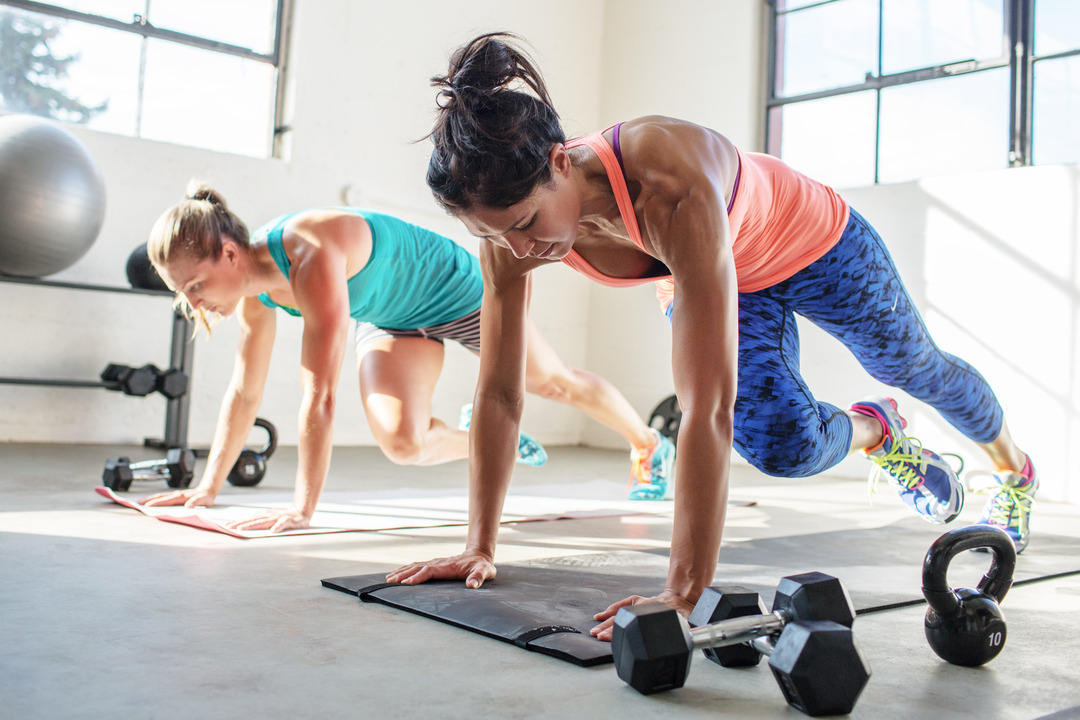
Build the plan around habits and contingencies, not just workouts. This approach ensures it can handle real-world challenges and keep improving.
Connect sessions to fixed cues, use simple rules to decide when to push harder or take a break, and create short alternatives for days that don't go as expected.
1. How do I define my fitness goals and motivation?
To be successful with any fitness plan, you need a clear purpose. Write down what you want to achieve, whether it's becoming stronger, improving your endurance, or boosting your overall health.
Knowing your deeper "why," like wanting more energy for family time or improving your mental health, helps you stick with it in the long run.
Set weekly, achievable mini-goals using the SMART method (Specific, Measurable, Attainable, Relevant, and Time-bound). For instance, instead of saying you want to "exercise more," set a specific goal, such as "walk 10,000 steps every day." Keep your goals visible on sticky notes or reminders to stay accountable, even when motivation is low.
2. How do I assess my starting fitness level?
Knowing your current fitness baseline is essential for preventing injuries and establishing a benchmark for your progress. Start with easy tests for cardiovascular health and strength. The 12-minute Cooper test estimates your VO2 max by measuring the distance you run, which helps you understand your heart and lung fitness.
If running isn’t an option, the Rockport Walk Test is a great substitute for measuring your aerobic fitness. This test includes a timed one-mile walk while you watch your heart rate.
For strength testing, the plank test checks your core stability. This test gradually increases the challenge by asking you to hold positions with different arm and leg lifts. Do these tests from time to time to see how you improve and change your routine.
3. What exercise types should I choose?
A balanced workout plan should mix cardio and strength training. The CDC recommends that adults get at least 150 minutes of moderate aerobic activity each week, plus two days focused on building muscle. If fitness is already part of your routine, aim for 75 minutes of vigorous cardio.
Cardiovascular exercises, such as running, swimming, and cycling, improve heart health and endurance. Strength training, using weights or bodyweight, helps build muscle and improve stability. Combining these types of exercise ensures overall fitness and keeps workouts interesting. Always consult a healthcare professional before starting a new fitness program.
4. How should I plan my weekly workout schedule?
Think of your workout times as essential appointments. Set specific days and times for exercise, balancing workouts with rest. Planning a challenging workout each week, like a long run or heavy lifting session, can help you keep making progress.
Try different workout times (morning, lunch, or evening) to find when you feel most energetic and can stick to it. Even 10-20-minute sessions are helpful.
Consistency is more important than how long you work out, so focus on regularity rather than perfection.
5. How do I start slow and increase intensity?
Starting with three workouts per week allows the body to adapt and recover. Rest days are essential to avoid burnout and injuries.
As your endurance and strength grow, gradually add more workout sessions or split workout days to target different muscle groups. Consider how an AI fitness app can help track your progress and suggest optimal workout routines tailored to your goals.
Begin strength workouts with compound exercises like squats and deadlifts, which work multiple muscles. Then follow these with isolation moves targeting single muscles, such as biceps curls. To increase intensity, add weight, repetitions, or distance over time to keep making progress and stay motivated.
6. How can I maximize the benefits of strength training?
Strength training is essential for long-term health and helps improve your cardio. Make sure to do exercises that work all major muscle groups: your upper body, lower body, and core. Balance push exercises (e.g., chest and shoulder presses) with pull movements (e.g., rows and biceps curls) to avoid imbalances.
You can use free weights, machines, kettlebells, or even just your bodyweight. For muscle growth, aim for 3 or more sets of 6 to 8 reps with challenging weights. For endurance, doing 12 to 16 reps with lighter weights works well. Combine strength exercises with bodyweight moves such as lunges and planks to effectively build stamina and reduce fat.
How do I lock training into a busy week?
How do you fit training into a busy week? When schedules were changed for a group of shift workers over six weeks, a 15-minute anchor routine twice a day was more effective than vague times like “sometime this week” for maintaining attendance and consistency. Pick one strong cue, like “after breakfast” or “right before the kids' bedtime,” and connect a small, repeatable session to it.
If you miss the anchor, do a planned micro-session instead, such as 12 minutes of movement and 3 compound exercises. This way, the habit stays strong even when time is tight.
Why do most plans fail so fast?
Most plans fail quickly because people often start with a lot of excitement and a big, untested schedule. This usually works for about a week, but then problems start to happen. Missed sessions add up, doubts increase, and half of the plan falls apart, leaving people feeling guilty. According to Valley Health Wellness & Fitness Center, "70% of people who start a workout plan in January quit by February." The real cost isn't just one missed workout; it is the emotional debt that makes it harder to return each day.
What decision rules keep progression honest?
Use binary, testable rules to ensure progress is driven by mechanical factors, not emotional ones. For example, you should add weight only after you have met a performance target for two consecutive sessions, while keeping your session RPE below a set limit. If your performance plateaus and your RPE increases, switch to density or tempo instead of just adding more weight. These guidelines help avoid confusing momentum with readiness and provide clear signals when to reduce load or adjust volume.
How should I schedule deloads and recovery blocks?
Treat deloads as scheduled training, not punishment. Plan for a lighter week every four to eight weeks, or when three objective indicators line up: lower test scores, rising RPE, and poorer sleep over ten days.
During a deload, cut volume by about half while keeping movement quality. At the end of the week, retest the main lift or performance marker to check recovery before increasing intensity again with our AI fitness app to help you track your progress.
What happens when life derails my plan?
Constraint-based thinking can help in this situation. If you can't access your equipment due to travel or illness, switch to a maintenance plan that includes two short sessions focused on movement quality, blood flow, and maintaining your range of motion.
If you miss more than three sessions in a row, it's better to take a brief maintenance break rather than jump back into intense training immediately. This method helps maintain your confidence and reduces the risk of injury when you return.
How do I keep motivation month after month?
This challenge is common among parents, professionals, and athletes: motivation is temporary, but micro-wins compound over time. Build weekly, visible wins into the plan, and then celebrate those achievements. Use short objective tests or small habit streaks, and log them publicly or with a coach.
This approach uses the same idea behind why Valley Health Wellness & Fitness Center states, "People who set specific goals are 10 times more likely to succeed." It changes vague desire into daily evidence, and that evidence supports persistence.
What role does technology play in program design?
Most teams design their programs manually because it feels familiar and allows flexibility. This method works well at first; however, as things get more complicated, program notes can become disorganized. Progress may start to feel like guesswork, and decisions about recovery could take longer, costing weeks of progress.
Platforms like the AI fitness app bring together athlete-designed blueprints, automatically adjust intensity based on tracked performance, and offer deload suggestions and quick substitutions. This reduces planning difficulties, making consistency the standard.
How should I think of a good workout plan?
A good workout plan should be thought of like a clock, not a to-do list: it has steady beats that keep time, even when the rest of the day feels noisy. By establishing these regular cadences, the plan can handle periods when motivation drops, surprises such as travel, and the unpredictability of some weeks.
What is GetFit AI's training approach?
Ready to train like the legends and achieve the body you've always wanted? GetFit AI's AI fitness trainer app lets you follow the exact workout routines that changed Arnold Schwarzenegger, Kobe Bryant, Cristiano Ronaldo, Serena Williams, and over 11 other top athletes into champions. You can also chat with them whenever you need guidance or motivation. Download the #1 rated AI fitness app for free today to get fit for less than the cost of a single month's gym membership, because greatness isn't born, it's built one workout at a time.
How do I measure the effectiveness of my workout plan?
That simple structure stays the same until you measure it. The way you track your progress next will significantly affect your results.
Related Reading
How Can I Track My Progress?
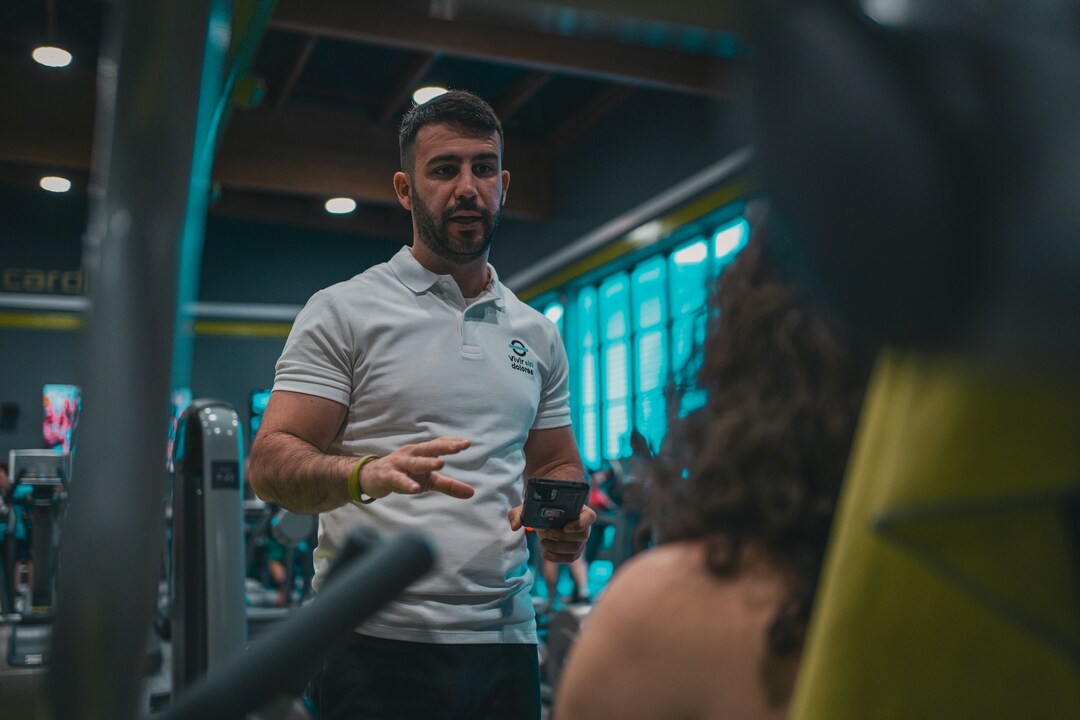
To effectively track progress, use a small set of clear KPIs. Focus on their trend lines rather than single-session fluctuations. Convert predefined thresholds into actions; this approach ensures that tracking leads to meaningful changes in training.
Choose one performance metric, one process metric, and one recovery metric. Automate measurement where possible, and review trends over four to eight weeks to identify any needed changes.
Which KPI should I actually watch?
When monitoring key performance indicators (KPIs), it's essential to consider outcomes, behaviors, and capacity. Outcome KPIs measure what truly matters, like the average sprint power over a weekly block or the velocity of a top lift. Behavior KPIs track the inputs that predict those outcomes; for example, the on-time session completion rate or the percentage of planned intensity achieved. Capacity KPIs focus on readiness, as reflected by metrics such as weekly mean heart rate variability (HRV) or a 7-day moving average of normalized training load.
It's best to keep this set small because focused KPI tracking improves results. As noted in the Business Performance Journal, 2023-10-01, "75% of businesses that regularly track KPIs report improved performance."
How do I stop mistaking noise for progress?
Treat every daily reading like a single wave, not the tide. Use a simple moving average and a trend slope over four to eight weeks to smooth changes from each session. Write down notes about anything unusual, like travel, illness, or a missed night of sleep.
Create a simple rule to ensure your statistics are accurate. For example, wait for a steady change in three weekly averages before you think it’s a real improvement or decline. This way, you can avoid making changes too quickly and help keep your progress on track.
What exactly should trigger a plan change?
Define three action tiers from the start and connect KPI changes to them. A small change, such as a 5-8 percent drop in your performance KPI over two weeks, requires micro-adjustments, such as changing density or rep tempo.
A medium change, such as a steady 10 percent slide or a process KPI dropping below 80 percent adherence for three weeks below, shows you need to change the stimulus or switch exercises.
A significant change, evidenced by ongoing capacity KPI declines and missed sessions, requires a planned recovery block and a reassessment.
Setting these limits in advance stops guesswork and lowers decision fatigue.
Why keep most tracking behavioral and straightforward?
This pattern shows up in both casual athletes and competitive amateurs. When tracking expands to 15 metrics, engagement often falls apart. This happens because the effort required to log everything exceeds the effort put into training. The real problem is cognitive overload, not laziness.
Instead, focus on one process KPI that is easy to measure, such as the percentage of planned sessions completed each week. Treat this as a standalone success metric. By valuing process wins, they can ultimately lead to bigger performance wins.
How about I review progress so it teaches me something?
Create a short monthly review that compares the three KPIs, notes the most significant differences, and lists one small experiment to try for the next cycle. Use a single chart that shows the smoothed performance KPI alongside the process KPI; this helps you determine whether missed sessions cause dips or if the stimulus isn’t sufficient. Think of this as a quick update for investors, not a detailed investigation; keep it helpful rather than punitive.
How should I track accountability differently from performance?
Focusing solely on performance can make setbacks feel like personal failures. Instead, track adherence and micro-habits as formal KPIs. This way, you can celebrate persistence and make necessary adjustments to the program when adherence falters, rather than placing blame on the athlete.
This approach aligns with evidence from business that measurement drives outcomes. For example, research from the KPI Research Institute, "Companies that track KPIs are 2.5 times more likely to achieve their goals." highlights the importance of KPIs in reaching objectives.
What is the visualization for noise versus trend?
The difference between noise and trend is like the sea: individual waves matter less than the overall rising or falling tide.
What will actually keep those KPIs moving forward month after month?
Understanding the factors that help keep KPI growth steady is essential. What will actually keep those KPIs increasing month after month?
Tips to Help You Stick to Your Workout Plan
You stick to a workout plan by turning your intentions into specific, easy actions. This means adding social and psychological support to your routine and rewarding yourself for small, repeatable wins to build momentum. The main point is that it's less about motivation and more about creating predictable triggers, making promises to yourself, and having quick feedback that makes it easier to stay committed.
How do I change a vague goal into something I actually do?
Set an if-then plan for each session, including the time, place, and one measurable action. Write down the goal and the action together. For example, "If it is 6:30 a.m., then I will do 12 minutes of sprint intervals on the bike."
This clear plan helps turn vague energy into a specific path to follow, and it works because being specific reduces the daily debates you might lose. According to Health.com, 80% of people who set specific goals are more likely to stick to their workout plans 2025. Being specific turns an intention into a habit by removing confusion about when and how to act.
What commitment devices actually remove excuses?
Use pre-commitments that have real consequences, not just hope. Some examples that work include: calendar blocks with automatic reminders on your phone, paid class credits that you forfeit if you miss, and written agreements with a friend or coach that outline consequences and a small reward.
I’ve run six-week mini-experiments in which members chose one commitment device, and those that imposed a minor penalty for skipping showed the most significant increase in attendance. The idea is simple: you shift the cost of skipping from guilt to a real consequence that encourages action.
How should I handle unsupportive friends or mixed social pressure?
How should I handle unsupportive friends or mixed social pressure? It’s exhausting when friends downplay your effort or call your routine unnecessary; that undermines your confidence and makes you second-guess your simple wins. When we paired members for six-week check-ins, the pattern became clear: naming a single accountability partner and scheduling two short weekly check-ins kept attendance steadier and reduced the impact of unsupportive comments.
Social contracts do two things: they create an external obligation, and they normalize persistence, which is more important than praise when progress feels slow. If your immediate circle remains negative, shift accountability to someone who treats your plan as a performance, not a hobby, because the company you keep shapes your identity as an athlete.
Why Do Small Rituals and Micro-Rewards Matter More Than Big Celebrations?
Design a one-minute post-workout ritual that marks each session as a win. This could be a photo you take, a short note about how you felt, or even a quiet fist pump followed by a breath. These rituals create a visible chain of success that your brain sees as proof of what you achieved.
Think of it like making a path in a forest; the first time is tough, but each time you go over it, the path becomes clearer. Rituals are like the shovel you use to keep that path clear. Over time, the ritual itself becomes the sign that starts your next session.
How do I prevent planning from stalling?
Most people rely on willpower and scattered reminders, which may feel enough at first. This familiar approach works well initially, but as life gets busier, reminders are often ignored. As a result, planning stops, and missed sessions can lead to guilt that makes it hard to resume activity.
Solutions like GetFit AI offer athlete-designed templates, automatically adjust intensity based on recorded performance, and include a responsive chat coach in your pocket. These tools make planning easier and replace weak willpower with strong systems that help you stay consistent, even when your motivation is low.
How do I keep the psychological game from breaking down mid-season?
To prevent the psychological game from breaking down mid-season, track a straightforward metric that reflects behavior, not just outcomes, and pair it with a small corrective rule. For example, if a planned session is missed, the rule could be to take a five-minute recovery walk the same day rather than skipping the workout altogether.
This method helps protect your identity and reduces the risk of falling into the "all or nothing" trap that many people face. When you start to feel tired, refocus on consistency for a week, treating shorter, lighter sessions as strategic maintenance rather than failures.
This trade-off helps maintain your momentum and stops the emotional spiral that often follows missed plans.
Why does emotional work matter as much as logistical work?
Exercise feels personal, and the emotional work is just as important as the logistical work. It can be frustrating when friends undermine progress, and it can feel lonely when working alone.
Recognizing these emotions, calling them out, making small changes, and moving ahead is very important. Tiny wins add up to build confidence almost without notice; confidence acts as the currency that helps with risk, progress, and the patience needed to stick to an athlete-inspired plan.
How does coaching influence my journey?
The choice of who coaches you will affect much more than just your workouts. Knowing this influence will make it seem like a decision you can't avoid.
Related Reading
- How To Build Muscle
Make Your Favorite Athlete Your Fitness Trainer | Try GetFit AI's AI Trainer App for Free Today
If you keep putting workouts together and let weeks go by, that guessing can quietly hurt your progress and motivation. Platforms like GetFit AI offer athlete-inspired templates, AI-tailored progression, recovery scheduling, and chat coaching. This mix helps you build a focused training plan, increase intensity wisely, and stay committed to the work that really matters.
.png)