

How To Start Fitness Training in 2026

.jpg)
.png)
How To Start Fitness Training: Discover step-by-step routines for beginners, including warm-ups, recovery tips, and habit-building with GetFit AI to guide you.
Every year, many individuals set New Year's fitness goals while facing challenges choosing the right exercises and balancing strength training with cardio. Ambiguity in selecting a beginner routine, mastering proper form, or sticking to a consistent schedule can stall progress. A clear framework combining step-by-step workouts, warm-up and cool-down techniques, mobility and stretching tips, and basic nutrition guidance builds a solid foundation for any fitness journey.
A customized plan that transitions ideas into daily habits simplifies the path to active living. Combining personalized routines, form coaching, progress tracking, and timely reminders creates both structure and motivation; GetFit AI offers an AI fitness app that delivers these essential tools to support consistent, beginner-friendly fitness development.
Summary
- Start with a small set of compound-strength movements, steady cardio, and daily mobility, and structure your week around three focused strength sessions plus two lighter movement days to make measurable progress without burning out.
- Begin strength training with three core compound patterns, use bodyweight or light loads to learn technique, and make one variable your monthly lever for progression to avoid confusion and faster skill acquisition.
- Match cardio to your energy and goals; aim for realistic habit targets like 30 minutes of moderate exercise per day or 150 minutes per week; and prefer low-impact, steady sessions when you need to protect strength recovery.
- Design micro-habits that survive real life, for example, 10 to 20 minutes of daily practice plus one longer weekly session, because 70% of people drop out of new fitness programs within the first 3 months when habit design is ignored.
- Plan training around your real weekly time budget, knowing 45% of people allocate 1 to 3 hours per week and that consistent increases toward 5+ hours can accelerate gains, with Garmin data showing a 20% fitness increase for users training more than 5 hours weekly.
- Track three repeatable signals each session, one objective capacity metric, one readiness measure, and one consistency count, because measuring these 3 data points turns vague effort into clear trends and actionable adjustments.
- This is where GetFit AI's AI fitness app fits in; it addresses this by converting your availability and readiness data into daily personalized workouts with coach-like cues and automatic load adjustments.
What Types Of Exercises Will Help Me Reach My Fitness Goals?

Start with strength movements that target multiple muscle groups, steady cardio that supports your recovery, and daily mobility work that helps you maintain good technique. Together, these three produce the fastest, most measurable progress for beginners.
Choose a small group of proven workout templates and do them regularly, because sticking to a plan and gradually increasing your effort works better than random workouts every time. To further enhance your fitness journey, consider integrating our AI fitness app into your routine for personalized guidance and support.
What is the role of strength training?
Strength exercises are essential for beginner routines because they help build muscle and maintain bone health.
Beginners can benefit from exercises like squats, lunges, push-ups, and planks, which work different parts of the body without needing heavy equipment. These activities improve how you perform everyday tasks, increase your metabolism, and reduce the risk of injury by improving stability.
Start with bodyweight exercises or light weights, aiming for 8-12 repetitions in 2-3 sets to master your form before adding more weight. Increase the reps or weight slowly, only when you can perform the movements with control.
This method helps your muscles adapt and get stronger over time, boosting your confidence and leading to noticeable improvements in strength and posture.
How can cardio workouts benefit beginners?
Cardiovascular activities boost heart function, help reduce fat, and increase stamina for daily tasks. Beginners can do well with easy options like brisk walking, cycling, swimming, or jumping rope. These activities provide a steady intensity without hurting the joints.
As a result, they improve lung capacity and energy levels, making them great starting points for fitness.
Aim for 20-30 minutes of activity, three times a week, at a pace where you can still talk without getting too tired. Adding variety, like walking uphill or doing short intervals, keeps workouts fun. Monitoring your heart rate during exercise helps you give the right amount of effort. Regular practice improves endurance and boosts your mood by releasing endorphins.
What is the importance of flexibility and mobility?
Mobility work expands joint range, reduces tightness, and protects against strains during active sessions. Simple practices, like dynamic arm circles, static hamstring holds, or child's pose, target key areas and promote better posture and recovery.
Also, foam rolling offers self-massage that helps ease muscle knots, which are common for new exercisers.
Spending 5-10 minutes each day on mobility work is helpful. Hold each stretch for 20-30 seconds on each side, without bouncing, to stretch safely. This practice should be done alongside warm-ups before strength or cardio training to prepare muscles, and afterward during cool-downs to support recovery. Over the weeks, this routine encourages fluid movement and supports other training to maintain balanced progress.
How to build a balanced routine?
Combine strength, cardio, and flexibility two to three days a week. Use rest or light activity to help your body recover. This mix targets overall health and helps prevent overuse, while providing benefits such as denser bones and sharper focus.
Adapt your routine to your energy level. Start with low-intensity exercises to help you build long-term habits.
Warm up for five minutes with light movement. End your sessions with stretches to keep safe. Keep track of your weekly sessions in a journal and adjust the intensity as you get stronger.
For example, you can add more reps or time. Making the routine personal helps ensure enjoyment and stick-to-it-iveness, assisting beginners to become consistent movers.
Which strength moves give the most significant return?
Begin with multi-joint lifts that let you add weight and practice safe technique: squats, deadlifts or hip-hinge variations, rows or pull progressions, and pressing patterns. Over eight weeks of teaching new trainees, a clear pattern showed up. Those who focused on three main compound movements and treated accessory work as skill practice learned the form faster. They also avoided the tiredness and confusion that come from trying too many exercises.
Start with bodyweight or light weights. Aim for controlled reps while making one variable, such as more reps, more sets, or slightly heavier weight, your monthly goal for progress.
How should you approach cardio so it helps rather than hinders strength gains?
To effectively balance cardio with strength gains, match your cardio routines to your specific goals and energy levels. Low-impact steady-state sessions help build stamina without interfering with recovery, while short interval workouts enhance explosiveness and conditioning. For many beginners, establishing a realistic habit target, such as 30 minutes of moderate exercise per day, is crucial. This approach can smoothly fit into busy schedules while still allowing adequate recovery time for strength training.
How much weekly volume actually builds the habit you want?
Don’t overcomplicate your workout schedule. A practical weekly plan that works includes three focused strength sessions and two lighter movement days. This fits the recommended guideline of 30 minutes of exercise, five days a week. This approach gives you both the challenge and variety you need. It also helps prevent the common beginner mistake of switching to a six-day split too quickly, which can cause your technique to suffer and your motivation to drop.
Most people choose their workouts by following trends or random programs, as it feels productive and doesn’t require new tools. This familiar method works for a while, but the hidden cost appears as disrupted progress, inconsistent technique, and weeks lost to injury or burnout. Platforms like GetFit AI close that gap by providing athlete-tested templates, interactive coaching cues, and automatic volume adjustments. These features align your workload with your recovery, helping beginners increase intensity without guesswork.
How should mobility and recovery be treated?
Mobility should be seen as training prep and performance insurance, not an optional add-on. Short daily mobility sessions lasting five to ten minutes, when combined with targeted warm-ups that mimic the strength work to be done, significantly reduce technical breakdowns during lifting. Think of mobility like tuning the joints before increasing power; if you skip this tuning, it can lead to poor lifts and cumulative setbacks.
To make sure exercises work well, pick one clear progression for each significant movement. Track one specific variable each week, and set aside two full rest days focused on sleep, nutrition, and light movement.
This disciplined yet straightforward routine helps turn athlete-level protocols into lasting habits for beginners, ensuring objective progress. Additionally, leveraging an AI fitness app like our GetFit AI can enhance your mobility and recovery strategies, helping you to stay on track with personalized routines.
What prevents most people from achieving lasting fitness?
The real problem is not about choosing the best exercises. Instead, it comes from understanding why most people fail to keep their good intentions over time.
Related Reading
How To Start Fitness Training
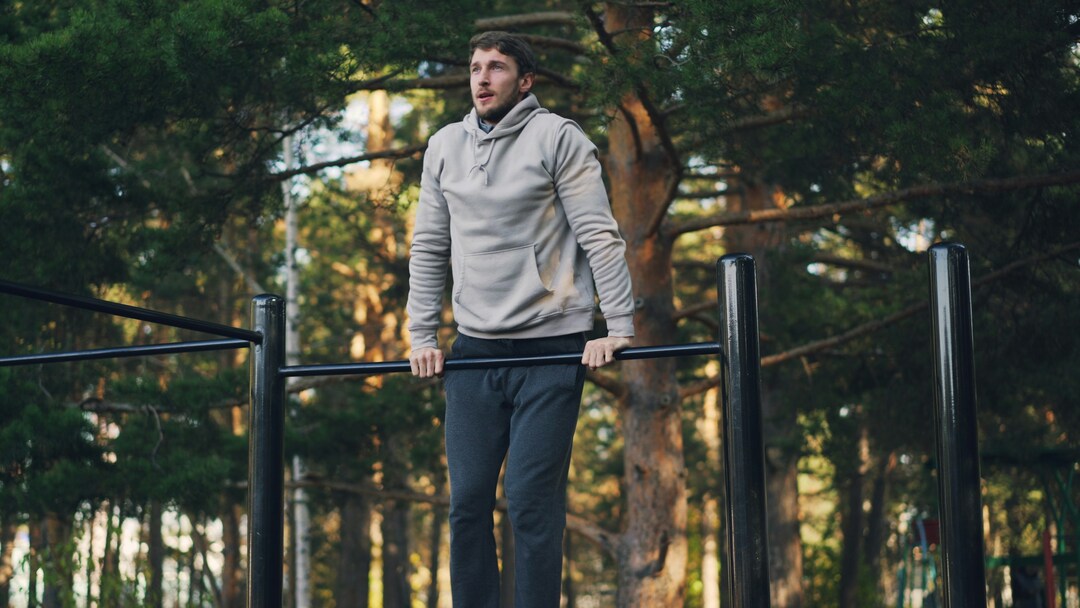
Start by choosing one clear metric to improve and one habit that makes progress inevitable, not optional. Measure a small baseline and follow a single athlete-tested template to practice three times a week.
Focus on consistency rather than trying new things, as this attitude turns your early effort into measurable momentum. For support in tracking your progress, consider using our AI fitness app.
How do I assess my starting fitness level?
Before starting workouts, it's essential to check your current physical condition. This check helps you set reliable baselines to track your progress. You can do simple tests like timing how fast you can walk or run a mile, counting how many push-ups you can do until you're tired, checking how flexible your hips and shoulders are, measuring your waist size near your navel, and calculating your body mass index using your height and weight.
Write down these numbers carefully so you can use them as reference points; this will help you see how your abilities improve over time.
What fitness objectives should I set?
Define specific targets to guide your efforts. These can be losing weight, improving endurance for events, or boosting your daily energy. Clear goals help keep you motivated and offer measurable milestones to celebrate your progress. Make sure your goals fit your lifestyle for a sustainable commitment.
How can I craft a well-rounded exercise plan?
Try to perform at least 150 minutes of moderate cardio, such as brisk walking, or 75 minutes of intense activity each week. Spread these activities across most days. Also, include strength training for all major muscles twice a week. Use weights that are challenging for you by the 12th to 15th repetition. Increase intensity slowly by no more than 10% each week to prevent injury. Mix in different activities, such as cycling or swimming, to keep things interesting and reduce the risk of injury. Don't forget to include recovery days, and consider short bursts of high effort followed by lighter activities for better results.
What essential workout gear should I select?
Start with properly fitted athletic shoes that match your activities. Think about lightweight running shoes and more supportive shoes for other movements. Pick easy-to-use tools like adjustable dumbbells, a yoga mat, or an exercise bike that fit your space and personal interests. It can help to try these items at a gym before you buy them.
Also, fitness trackers or apps can help you track steps, heart rate, and calories, providing practical, data-driven insights.
How do I gradually launch my routine?
Start with short warm-ups, such as light walking or stretches. Build up to 5-10 minutes of steady activity before increasing your workouts to 30-60 minutes on most days. If you can't fit a full workout into your day, break it into shorter bursts. Mix in fun activities like hiking or dancing to keep it interesting.
Be aware of warning signs, such as chest pain or feeling faint. Stop if you need to, and take breaks to help your body adjust.
How should I monitor and adjust my progress?
Reevaluate fitness markers every six weeks or every few months, using the same initial tests to check improvements in endurance, strength, or body metrics. If you hit a plateau, change your goals, try new activities, or find an accountability partner.
Keeping a consistent log of your progress reveals trends and helps you identify the changes needed for continued improvement.
What baseline metrics should I actually track, and why?
To effectively monitor progress, it's essential to set baseline metrics. Choose three data points that can be collected each session reliably: one objective capacity test, one daily readiness measure, and one consistency metric. For capacity, use a time test, a rep-max proxy, or a balance/skill test that can be repeated under similar conditions. Readiness can be assessed by logging sleep hours, perceived exertion on a 1-10 scale, and brief notes on stress or soreness.
For consistency, count completed sessions per week rather than focusing solely on calories burned. Tracking these three elements turns vague progress into a clear trend, making it easier to decide what adjustments to make.
How small should my commitments be so they survive real life?
Commit to a micro-habit that creates momentum, then scale it. Start with a 10- to 20-minute daily practice that focuses on movement quality. Then add one more extended session per week that follows an athlete-tested routine.
This modest cadence is enough to stack wins toward larger goals. Aim for at least 150 minutes of moderate aerobic activity each week, according to the Magnus Method. This provides a practical consistency target that beginners can work toward without overcomplicating intensity or technique. For those looking to enhance their journey, exploring options like an AI fitness app can offer personalized guidance and keep you motivated.
Why do so many people burn out early, and how do you avoid that trap?
Burnout often happens early for many people, especially beginners and weekend athletes. They usually see workouts as one-time events rather than as habits that are easy to repeat. This change in thinking can make motivation the main issue. The result is that many drop out early.
According to the Magnus Method, 70% of people who begin a fitness program stop within the first three months. This number shows how important it is to focus on building habits rather than just perfect programs. To keep a fitness habit going, it's important to make sessions easy to begin. Lower the effort required to get started by using just one automatic trigger, and turn unclear goals into weekly, trackable commitments.
How do you set intensity and make it responsive to life?
Setting intensity based on life requires simple autoregulation rather than strict rules. Using session RPE and a one-line readiness score helps effectively adjust volume and load. It’s better to focus on relative effort ranges rather than exact heart rate targets, especially when life gets hectic. Strict zone training can often confuse beginners and lead to frustration.
A helpful approach is to focus on perceived effort and consistency until basic skills and recovery improve. Think of it like riding a bike: you stay balanced by continually adjusting rather than fixing on one speed.
What do you do when progress stalls or schedules derail?
When progress stalls or schedules derail, treat interruptions as temporary signals, not failures.
If two weeks are missed, restart with the same micro-habit while reducing intensity until the technique feels natural again.
How does training early compare to learning to ride a bike?
Training early is similar to learning to balance on a bike. Small, repeated actions help build the skills you need. Once balance becomes automatic, a rider can go farther and faster.
With the help of an AI fitness app, you can track your progress and refine your training methods.
What role does scheduling play in maintaining these habits?
The scheduling question quietly determines whether these habits will stick or just turn into good intentions.
How Much Time Can I Dedicate To Fitness Training?
You can make meaningful progress with anywhere from 1 to 5+ hours a week, depending on whether your priority is maintaining habits, steady improvement, or getting better results faster. Start by choosing a realistic weekly budget, then create sessions that fit that budget so every minute counts.
How do I schedule training when my week is full?
Treat training like a bill you pay at the start of the month, not a reward you go after later. Set aside a regular time on your calendar and protect it like an important meeting; being consistent is better than having the perfect sessions.
For many people, the reality is that only about 45% allocate 1 to 3 hours weekly to fitness, according to CivicScience. This limitation is why plans that expect long training sessions often do not work well.
What should I trade off when time is tight?
Think about returns, not rituals. If you have less than three hours each week, focus on activities that give you the most significant physiological signal per minute. Accept lower weekly volume and prioritize your recovery so you're ready for next week. Trying to fit high-volume plans into weeks with limited time will fragment your effort and cause a loss of momentum, which can be discouraging and might make you stop the habit.
Why pushing to five hours changes the outcome: Training quality is essential, but the amount of training matters too after a certain point. Garmin's 2025 Data Report, Users who train more than 5 hours a week saw a 20% increase in fitness level. 2025 shows that once you regularly reach that amount, you will see faster improvements in fitness. This doesn’t mean you have to start at that level; it means that if you want to see noticeable improvements in performance in a few months, you should plan to build up to that 5+ hour zone over several microcycles.
What do I actually do week to week?
Build a simple map: choose your weekly time budget, assign two priorities to each session, and make the sessions repeatable. For example, if you have only two one-hour slots per week, make one slot focused on high-effort work and the other on movement quality or skill practice. This approach reduces decision fatigue and makes progress measurable, as you can compare the same two priorities week to week.
Most people put together programs from different sources because it feels flexible and requires no new tools, which is understandable. That familiar way works until decisions build up, progress stops, and workouts become another thing to dread. Solutions like AI fitness app centralize athlete-tested templates, auto-adjust load to match your logged readiness, and remove the daily guesswork, so you trade fragmented effort for consistent progress without adding planning hours.
How do I scale safely when life allows more time?
When moving from habit maintenance to growth, increase minutes in controlled steps. For example, add 30 to 60 minutes every two weeks rather than making a single big jump.
Track one simple capacity metric and one readiness metric, and let these two signals guide you on when to add minutes or when to stay steady. This approach stops the slow, hidden decline that feels like commitment but often leads to burnout.
A quick example from practice shows this idea well. When helping busy professionals over 10 weeks, a clear pattern appeared: those who treated training like a scheduled appointment and began at the top range of their realistic availability, 1 to 3 hours weekly, kept their routine going longer than those who took on too much and often missed sessions.
Commitment felt easier when sessions were dependable, short enough to avoid dread, and organized to show progress within three sessions.
How can I achieve my fitness goals?
Ready to train like the legends and finally achieve the body you've always wanted? GetFit AI's AI fitness trainer app lets you follow the exact workout routines that made Arnold Schwarzenegger, Kobe Bryant, Cristiano Ronaldo, Serena Williams, and other elite athletes into champions. You can also chat with them whenever you need guidance or motivation. Download the #1 rated AI fitness app for free today to get fit for less than the cost of a single month's gym membership, because greatness isn't from birth, it's built one workout at a time.
The decision you make about how much time to commit now will lead to a revealing question later.
What Are My Primary Goals For Fitness Training?
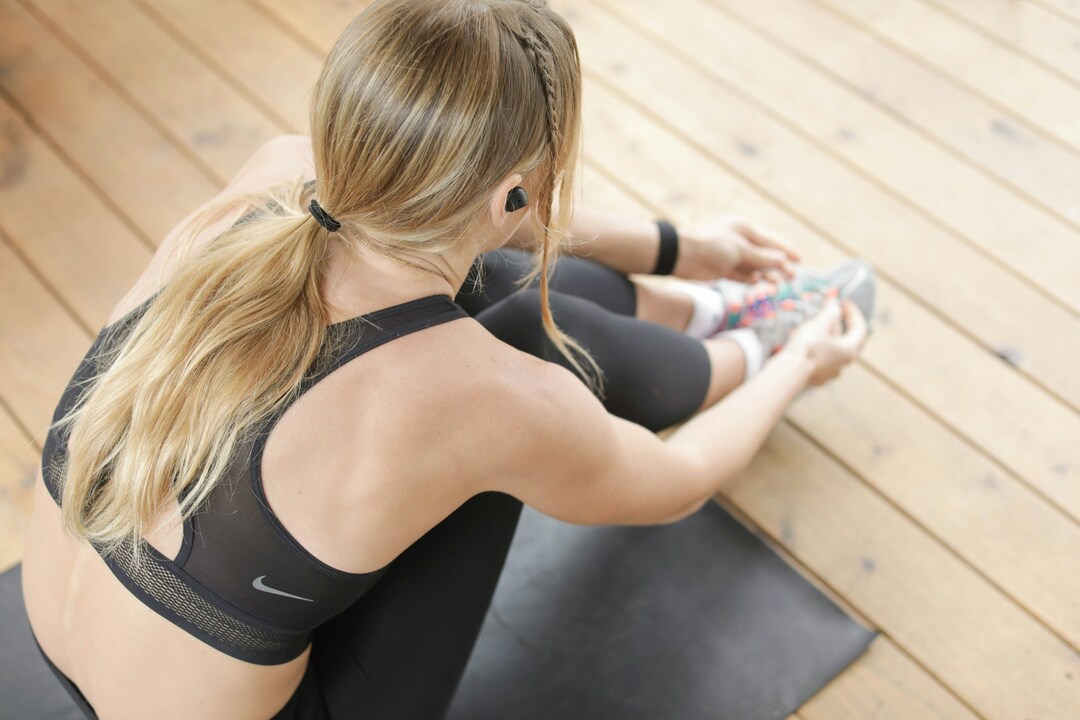
Primary training goals fall into three practical categories: build capacity, preserve long-term health, and shape daily function. Each goal requires a different focus in session planning, metrics to track, and short-term choices.
It is essential to choose the priority that will guide all weekly decisions.
What does “build capacity” actually mean for a beginner?
Capacity is about measurable ability, whether it's raw strength, repeated power, or sustained speed.
For many beginners, strength is the primary focus of capacity work, which helps explain why, according to Fitt Insider, 60% of people prioritize strength training as their primary fitness goal. In practice, treating capacity like a project means picking one clear metric, like a rep-proxy or timed effort, and then pushing for improvement in that area every 2 to 4 weeks so that choices remain clear, not emotional.
How does preserving long-term health change my weekly routine?
When health is the primary goal, session priorities focus on steady cardiovascular stress, metabolic control, and load patterns that keep tissues safe over the long term. This goal highlights consistent, low-friction habits and small, repeatable amounts of exercise rather than chasing peak performance. The pattern is clear: people who want to avoid sedentary decline or future bone loss choose habits they can stick with, because long-term consistency is better than short bursts of intensity.
Which goal should I prioritize when time is tight?
When time is tight, picking which goal to focus on becomes very important. If you can only keep one promise to yourself each week, make it count by using your time for the highest-value outcome. When you don't have much time, concentrating on capacity is better than trying to do many things at once, especially if you want to perform well; on the other hand, if you want to keep going for a long time, focus on chronic health targets.
A simple rule I share with beginners during their 12-week cycles is to turn their priority into one main weekly lever, then protect that lever. This clarity helps prevent the common mistake of spreading effort across many small goals, which usually leads to achieving none of them.
What metrics should I track to prove progress?
Pick one specific capacity metric, one readiness signal, and one consistency metric. The capacity metric should relate to your goal; for example, it could be how many repetitions you can do, how fast you can run, or a mobility test that you can repeat. Readiness can be measured using two numbers: hours of sleep and session RPE. Consistency is defined as the number of completed sessions each week.
Tracking these three metrics gives you a clear dashboard, making it easier to make changes based on facts rather than feelings.
Why do motivations and emotions matter?
Motivation decides whether a plan lasts through the first month. We notice that across different ages and situations, the desire to create healthy habits, avoid future health issues, and protect posture or joints helps people stick to their plans better than just wanting to look good. When you combine a clear, specific goal with a reasonable habit structure, you build momentum; when goals are unclear, effort gets scattered, and people tend to give up.
How can I avoid decision fatigue in training?
Most beginners try to do everything at once, thinking it is the best way to be efficient. While this standard method may work for a few weeks, the hidden cost shows up as diluted progress and mounting decision fatigue.
Platforms like GetFit AI offer a different way: they gather athlete-tested templates, change selected priorities into clear session plans, and provide coach-like tips that keep progress on track with recovery. This system significantly cuts down the guesswork that often disrupts consistency, making it easier to stick to your training routine with the right AI fitness app.
What role does goal selection play in fitness?
Think of choosing a goal like picking a map for a long road trip. The destination determines the roads you take and how often you stop for gas. If you choose a destination but keep changing routes during the trip, you will get there later.
That simple choice about what matters most might seem final, but the next step shows what actions to take to reach it.
Related Reading
Extra Tips For Beginners
To make those extra tips stick, turn each one into a small, easy-to-repeat process. Keep an eye on a single signal that indicates whether the process worked. By doing this, habits stop being tests of willpower and become regular parts of your daily routine, just as our AI fitness app can help you turn your workout schedule into a consistent routine.
How do I make hydration automatic?
How do I make hydration automatic? Start with triggers, not reminders. Fill a 1‑liter bottle when you wake up and put it beside your keys or phone. Then, drink until it's empty before lunch. Before a workout, drink 300-500 milliliters. During long sessions, sip about 150 milliliters every 15 minutes. If you sweat a lot, include electrolytes. For objective feedback, weigh yourself before and after a challenging workout. Replace 1.25 times the lost weight in fluids within the next two hours. These small tests give you more helpful information than vague advice ever could.
What are practical meal templates that actually fit busy lives?
Practical meal templates can easily fit into busy lives. Instead of strict recipes, use simple patterns to follow. A pre-workout plate might have a piece of fruit and whole-grain toast with nut butter, eaten 30 to 60 minutes before training. After training, aim for a quick source of 20 to 30 grams of protein plus a carbohydrate you like within an hour.
For example, you could have Greek yogurt with a banana or a tuna sandwich. When you're short on time, stick to repeatable combos: 1 protein, 1 carb, and 1 fat, made in batches twice a week. These choices help keep energy steady and make recovery clear without needing calorie counts.
How should warm-ups and skill practice look on real days?
Warm-ups that matter follow three steps: first, raise your heart rate for five minutes; second, activate the exact muscles you will use with two light sets focused on tempo; and third, rehearse one technical cue at a submaximal load.
For example, before weighted squats, do five minutes of easy cycling, followed by two sets of bodyweight squats with a three-second descent. Then, do one set at 40 percent of your working weight for five reps, emphasizing hip drive. Think of it as tuning a guitar: minor adjustments before performance prevent the whole song from going flat.
When is a cool-down worth the time, and what should it include?
Treat the cooldown as recovery insurance. Start by walking for 3 to 5 minutes to help your breathing return to normal. Then spend 60 to 90 seconds on each tight area with mobility exercises or a foam roller. Finish with one focused stretch, holding it for 30 to 45 seconds.
These actions help improve blood flow and lower the stiffness that can make your next workout feel tougher than it needs to.
How do you read pain versus normal soreness?
Understanding the difference between pain and normal soreness requires clear rules, not guesses. If you feel sharp, focused pain with joint popping or numbness, it's essential to stop and check again; that is a red flag. On the other hand, if soreness is spread out, improves with movement, and is rated below 3 out of 10 on days when you're working hard, it is usually okay to continue with lighter workouts.
When your readiness drops by two or more points on the RPE scale for three sessions, it's a good idea to plan a deload week. During this week, lower your volume by 30 to 50 percent and slightly reduce the intensity.
How do you schedule rest and make sleep nonnegotiable?
Scheduling rest and making sleep nonnegotiable requires a structured approach. Block sleep on your calendar as if it were a necessary appointment. Aim for a consistent bedtime and set a caffeine cutoff at least eight hours before sleep. Establish bedtime hygiene by dimming lights and avoiding screens for 30 minutes before sleep.
If nighttime sleep is limited, consider taking a 20- to 30-minute nap earlier in the day rather than trying to make up for lost sleep late at night. It is also crucial to keep at least one full rest day plus one active recovery day each week. This habit ensures that training becomes a steady rhythm rather than an emotional roller coaster.
How do you protect form without stalling progress?
Practice slow repetitions to enhance learning. When your technique breaks down, reduce the load by 20 percent and do two sets of slow reps. Focus on one cue, like "knees out" or "chest up."
Track that cue as a session-level metric for three weeks. If you see improvement, you can resume heavier loads. This microprogression method helps address the common mistake beginners make: adding weight before their movement is stable.
How do you make consistency easier than quitting?
Remove friction from the process. Keep a bag packed with shoes and a simple protein snack. Choose a session length of 30 to 45 minutes that fits most days, and lock those times into your calendar as recurring appointments.
When accountability is beneficial, pair a habit with a public pledge or a training partner for two months. The social pressure of disappearing from an agreed slot raises the cost of skipping helpfully.
What quick drill will improve form alongside strength?
What quick drill will improve form and strength? Choose one drill each week and measure it. For example, do a 20-rep goblet squat tempo test or a 30-second plank.
Practice the drill twice a week while focusing on two small cues. After four weeks, retest your progress.
Doing this focused skill practice helps improve your technique. This is because you are training the movement directly instead of just trying to lift heavier weights. This method is similar to how people learn other skills: doing things repeatedly is more effective than just studying, as supported by broader learning patterns. According to the DataCamp Blog, approximately 50% of learners use online courses as their primary resource for learning statistics.
Therefore, having structured, guided practice is essential for long-lasting results. It also shows that learners like to practice in concrete ways, as supported by the DataCamp Blog: 80% of beginners recommend practicing with real-world datasets to enhance understanding (2024). This is why using actual athlete examples can help speed up skill learning.
How do beginners build real athletic habits?
That simple shift from random advice to repeatable, measured processes is where beginners stop spinning and start building real athletic habits.
What happens when you let your favorite athlete’s routine guide every workout?
While it may seem obvious, letting your favorite athlete’s routine guide every workout can lead to surprising results.
Make Your Favorite Athlete Your Fitness Trainer | Try GetFit AI's AI Trainer App for Free Today
When January enthusiasm fades, and old habits return, those who succeed treat their goals as a plan rather than a promise. For beginners ready to start fitness training, solutions like GetFit AI are constructive. They turn your real weekly availability into specific workout routines, combine coach-like chat with clear technique instructions, and automatically adjust progress.
This ensures that every session is a measurable step toward building lasting habits. Check out the AI fitness app.
Related Reading
- How To Build Muscle
.png)