

What is the Average Dumbbell Shoulder Press?


.png)
Average Dumbbell Shoulder Press benchmarks explained: get practical numbers, form tips, and progression strategies from GetFit AI to boost your strength.
Effective shoulder training starts with accurately gauging the right weight and perfecting proper technique. Drawing from insights available on Best Fitness Apps, guidelines clarify which load ranges suit beginners, intermediates, and advanced lifters while emphasizing differences between standing and seated presses. Emphasizing muscular endurance or hypertrophy, clear cues for form and rep schemes help prevent injury and optimize progress.
Tailored instructions bridge the gap between workout theory and meaningful gains by aligning technique with measurable improvement. Smart tracking and personalized adjustments are key to refining performance and building strength. GetFit AI provides an AI fitness app that offers on-screen video cues and dynamic weight suggestions to enhance shoulder stability and overall training efficiency.
Summary
- Population midpoints matter; 53 lb is the average male dumbbell shoulder press according to Strength Level 2023, and that number is best used as a checkpoint for balanced overhead capacity rather than a universal prescription.
- Training age changes expected loads dramatically, with a beginner male benchmark around 25 lb and an intermediate around 70 lb, reflecting months of progressive overload and accessory work rather than a single-session jump.
- The average female one-rep max sits near 34 lb, and programming should use percentage ranges, for example, 80 to 92 percent of 1RM for 2 to 5 reps for strength and 60 to 75 percent for 6 to 12 reps for hypertrophy, typically practiced 2 to 3 times per week across 4 to 8 week blocks.
- Make testing and tracking conservative and regular, for example, limit true 1RM attempts to every 8 to 12 weeks, use 3 to 5 RM tests as interim checkpoints, and log RPE and rep quality to guide progression.
- Use objective rep-quality rules to prevent overreaching, for example, pause load increases if the last two reps show visible decline for two consecutive workouts, then apply a 7 to 14-day stability or tempo constraint.
- Pick one focused lever for 4 to 8 weeks to move the needle, for example, increase weekly pressing volume by 10 to 20 percent, add a unilateral press variation, or use microprogressions of 1.5 to 2.5 lb to preserve technique while adding load.
- This is where GetFit AI's AI fitness app fits in: it maps athlete-tested starting loads to your baseline, auto-scales progression based on rep quality, and provides tailored video technique cues.
What is the Average Male Dumbbell Shoulder Press?

The average male dumbbell shoulder press shows how most recreational lifters perform. It is between entry-level and elite benchmarks, acting as a practical standard for upper-body power and daily activities.
Reaching this standard means you can lift a significant weight overhead with control and set a clear goal for athletic growth.
Why does this number matter for your training?
The average male dumbbell shoulder press is 53 lb. Strength Level, 2023, calculates that figure from pooled one-rep max records, and it serves as a midpoint for comparing your progress without making it a strict requirement. Think of it as a checkpoint: if your press is below this number, you should focus on consistent, controlled lifting and good technique; if you’re above it, you should work on volume, stability, and how it relates to your sport.
What does moving from “beginner to intermediate” look like in real life?
An intermediate male lifter can expect to lift 70 lb. This classification, reported in 2023 by Strength Level, suggests steady strength development beyond basic skills. Usually, this level is reached after months of dedicated overhead training, progressive overload, and accessory training for both the rotator cuff and triceps.
In coaching, progressing from beginner to intermediate isn’t marked by a single workout; it results from regular progress: small weekly increases, combined with stability exercises and nutrition that helps recovery.
What emotional connections do lifters have with these benchmarks?
This trend is common among athletes aiming for an “athletic” look. They often use strength numbers both as motivation and as a way to measure their abilities.
When people go from doing random cardio to following structured pressing routines and see steady improvements in weight, their confidence grows faster than their body weight goes down. This boost is essential, as it keeps training both honest and measurable.
What misunderstandings do lifters have, and how could tools help? Many lifters start with weights based on guesswork, which feels easy and familiar. While this might work at first, it can quickly lead to uneven progress: technique stalls, minor injuries happen, and plateaus may feel personal instead of expected.
Platforms like GetFit AI offer a different approach, with athlete-tested starting weights, tailored progress plans, and technique tips that adapt as you improve. This helps lifters spend less time guessing and more time safely working toward measurable strength gains. Furthermore, our AI fitness app can guide you through personalized workouts, ensuring you achieve your fitness goals effectively.
Visualize your shoulder press benchmark as a steady mile time, not a sprint. Improving it needs pacing, correct form, and consistent increases, not random jumps in weight.
What do lifters emotionally attach to these benchmarks?
This pattern appears among athletes seeking an 'athletic' look. They often use midline strength numbers as motivation and a way to measure functional capacity.
When people swap out aimless cardio for structured pressing cycles and see their loads steadily increase, their confidence usually rises faster than their body weight drops. This momentum is essential; it keeps training both honest and measurable.
What are people getting wrong right now, and how could tools help?
Most lifters choose their starting weights by guessing because it feels easy. This might work in the beginning, but it can lead to uneven progress: technique can stall, minor injuries can occur, and plateaus can feel personal rather than expected. Platforms like GetFit AI offer a different way to start, providing tested starting weights, customized progression plans, and technique tips that adapt as you get better. This way, lifters can spend less time guessing and more time safely building measurable strength.
What can we learn from this average?
The following comparison reveals surprising insights about how strength is measured between men and women. This deserves a closer look.
What is the Average Female Dumbbell Shoulder Press?
The average female one-rep max for the dumbbell shoulder press sits at about 34 pounds. This number places most women in the intermediate strength band and shows that they have good overhead strength. It is important to note that this number is a reference point, not a rule; how it is used depends on factors such as training experience, the demands of a sport, and the quality of movement. If you are looking to enhance your training, consider using an AI fitness app that can tailor workouts to improve your shoulder press.
So, what does 34 pounds say about performance? It shows the ability to push an organized force overhead while carrying weight.
This means stronger lockouts, more stable pressing techniques, and improved performance on throws or kettlebell exercises. In simple terms, it’s less about showing off and more about the neuromuscular control needed to lift heavy weights without using the lower back or letting the shoulder blades move out of place.
How should you program around an intermediate 1RM?
Treat the 34-pound 1RM like any one-rep maximum (1RM) by using percentage ranges and clear phases. For building raw strength, work at 80 to 92 percent of the estimated 1RM for sets of two to five reps, two to three times each week over a 4 to 8-week block.
For hypertrophy and joint tolerance, operate at 60 to 75 percent for 6 to 12 reps with slightly higher volume. Use a double progression model by increasing reps first and then adding small amounts of weight when you can comfortably reach your rep targets.
How do you pick a fair starting weight if you do not know your 1RM?
A practical way to approach this is to test a safe 3 to 5 rep max and use rep-to-1RM calculators or measure with RPE. You should aim for a training RPE of 7-8 during your working sets.
For context, Strength Level, 2023, shows that the beginner male average is 25 pounds for the same lift. This information helps us understand how factors such as sex, training history, and body composition affect expected weights across different groups of people.
What accessory work makes the press reliable and transferable?
Prioritize three categories: stability, capacity, and arresting strength.
Stability includes banded face pulls, low-load external rotation, and scapular wall slides.
Capacity involves volume-driven seated presses and tempo-controlled eccentrics. For arresting strength, incorporate push presses and paused reps to improve the sticking point.
Additionally, adding single-arm carries and horizontal pushing helps balance force production around the shoulder girdle.
What common path stalls progress, and what is a better alternative?
Most lifters either choose a weight that "feels right" or try to do more reps with bad technique. Both of these ways are easy and feel familiar. This makes workouts comfortable until they hit a plateau or feel ongoing shoulder pain. Platforms like GetFit AI offer another option: they match a starting weight tested by athletes to your level, automatically adjust your weekly progress based on how well you lift, and give you specific technique tips. This helps you move from guessing to using measurements, which cuts down on wasted efforts and helps avoid problems with your form.
What technical cues actually change 10 percent of your lift overnight?
Press with a stable rib-to-pelvis relationship. Keep your elbows just a bit in front of your shoulders and press straight up so the dumbbells end over your midfoot.
Think of your shoulder blades as the foundation of a house: if they move, the roof can start to sag. Small changes in speed, like a slow one to two-second descent, show weaknesses and make it clear where you need to focus on correcting your form.
How should you track progress without risking the shoulder?
Use frequency and consistency rather than always aiming for the highest weight. Test an actual one-repetition maximum (1RM) only every 8 to 12 weeks.
Use 3 to 5 rep maximum tests for more regular check-ins, and write down the rate of perceived exertion (RPE) along with how fast the bar moves or the quality of reps for each set. Combine this with planned breaks and focus on sleep and protein to keep making progress.
Why does the straightforward number get complicated in real-world needs?
The straightforward number looks neat on paper. However, when you compare it to real-world athletic needs, the situation gets much more complicated.
Related Reading
- How Many Pull Ups Should I Be Able To Do
- Average Bench Press By Age
- Average Grip Strength Male
- Average Bench Press
- How Much Does A Bench Press Bar Weigh
- Average Male Bench Press
- How Much Can The Average Man Bench Press
- Grip Strength Chart
Is a 50 lbs Dumbbell Shoulder Press Good?

Yes. Pressing 50 pounds with strict technique for multiple reps is a valuable performance marker for many lifters. It shows that you can create controlled overhead force while keeping your shoulder blades stable and your core tight. Whether this is good for you depends on rep goals, joint response, and how this weight fits into a thoughtful progression plan.
How should you understand 50 pounds in real-world terms? According to Strength Level, 2023, "The average male dumbbell shoulder press is 53 lb." and this number is about average for common recreational standards. Being able to press 50 pounds puts you close to the typical range for most people while still allowing room for focused improvement.
Reports from the community also show that a normal working range is about Facebook Group Discussion, "40-60 lbs for men". To further enhance your routine, consider how integrating our AI fitness app could help you tailor a personalized training program and monitor your progress.
What should the technique look like when you press that weight?
If the weight makes you shrug, arch your back too much, or kick with your legs, it is not helping you as it should. Keep your ribs down, take a short, firm breath before each rep, and press so that the dumbbell ends over your midfoot, not behind your head.
Think of your shoulder blades like a platform; if they move, the weight shifts to parts of your body that don't work well. Doing short, specific warm-up sets of 5 to 8 reps with a lighter dumbbell helps you practice the right path before you start the heavier sets.
How do you program 50 pounds for different goals?
For raw strength, use heavier weights with fewer repetitions and take longer breaks. Try to do 3 to 6 reps for 3 to 6 sets. Focus on slow lowering or paused reps to hit the sticking point.
For hypertrophy or endurance, plan for denser sets of 6 to 12 reps with 60 to 90 seconds of rest. You can also use cluster sets to keep the speed of lifting the bar while raising the total amount lifted. If you need to improve for sports, focus on unilateral work and anti-rotation holds to boost overhead strength that helps with throwing, tackling, or racket swings.
When does 50 pounds become counterproductive?
The issue is not the number itself; it's when one treats it as a definite answer instead of a variable. If the quality of repetitions drops, causing stress in the neck or front capsule, or if morning mobility gets worse, it becomes clear that the capacity has been exceeded.
In these situations, it's wise to go back to technique-focused sets, include eccentric control, or switch to single-arm progressions until stability comes back. If this isn't addressed, trying for a heavier single can result in ongoing irritation, which can lead to missing important training days.
What accessory work makes 50 pounds safer and more transferable?
Prioritize three key components: rotator cuff control, posterior chain balance, and core rigidity. Incorporating low-load external rotation with tempo, banded face pulls, and strict horizontal pulling helps rebuild the posterior scaffold.
Additionally, farmers carry and suitcase carry teach the obliques to lock the torso during unilateral overhead demands. These small investments significantly reduce shoulder soreness, preventing a productive 50-pound block from becoming a frustrating deload.
A status quo many follow, and why does it cost them?
Most lifters choose a working weight because it feels tough during the first set, which is a simple rule when training alone. While this familiar method may work in the short term, fatigue can build up, and volume can increase, leading to poor technique and stalled progress.
Platforms like the AI fitness app offer guided starting loads, automatically adjust weekly progress based on the quality of reps, and provide focused technique tips. This helps athletes continue to improve while avoiding the wear and tear that comes from making guesses.
How do athletes actually progress from that weight?
During focused pressing blocks with weekend athletes over six to eight weeks, a clear pattern emerged. Those who paired 50-pound work with timed tempo repetitions, two specific rotator cuff drills, and a single unilateral carry found fewer shoulder problems.
They also increased their top-end rep count without needing to lift heavier weights. This showed an important, simple, and practical insight: by adding the right support, a middleweight can become a long-term growth asset instead of a recurring injury risk.
Ready to train like the legends and finally achieve the body you've always wanted?
GetFit AI's AI fitness trainer app lets users follow the same workout routines that helped make Arnold Schwarzenegger, Kobe Bryant, Cristiano Ronaldo, Serena Williams, and more than 11 other elite athlete champions. Users can also message them whenever they need advice or motivation.
Download the #1 rated AI fitness app for free today to get fit for less than the cost of a single month's gym membership. Greatness isn't something you're born with; it's built one workout at a time.
What Does a 70 Pound Single Reveal About Raw Strength and Transfer?
This concept feels clear until one looks at what a 70-pound single shows about raw strength and its transferability.
Related Reading
- Bench Press Standards
- Do Pull Ups Work the Chest
- Symmetric Strength
- Grip Strength Norms
- Average Deadlift Weight
- 1 Rep Max Chart
- Average Male Deadlift
- Good Bench Press Weight
- Weightlifting Standards
Is a 70 lb Dumbbell Shoulder Press Good?
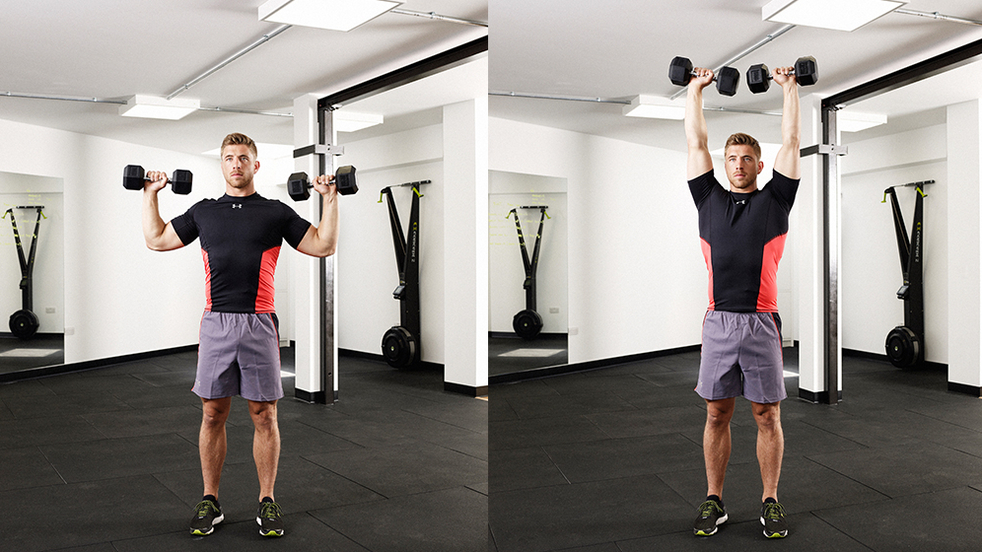
Yes, pressing 70 pounds with proper technique shows strong, organized shoulder strength for many lifters. It usually means that you have the stability and upper-body coordination needed to create sport-specific power. How “good” it is really depends on your body weight, training goals, and how well you can repeat those reps when you're tired.
Why does being able to repeat lifts matter? If you press 70 pounds once, it shows potential; but if you can press it for several clean sets, it shows real strength. The difference between a single personal record (PR) and useful strength is in movement quality under volume, not just the highest number you can lift. You want the weight to be a tool that still lets you do effective accessory work, instead of just a number that affects your scapular control or core tension in later sets.
Who does 70 pounds represent?
The 70-pound mark aligns with the performance range of athletes who have moved beyond basic loading into purpose-driven training. This means an intermediate male lifter can expect to lift 70 lb, as shown by Strength Level, 2023. This standard, based on collected strength records, helps coaches set specific targets instead of using general guidelines.
In contrast, beginners usually start with much lighter weights; for example, a beginner male lifter can expect to lift 25 lb, according to Strength Level, 2023. This shows how training age affects expected weights and the best way to progress in training.
What usually breaks under heavier loads?
Pattern recognition among athletes shows that the failure mode is rarely due to raw shoulder weakness. Instead, it is often due to the loss of coordinated bracing.
As the load gets heavier, common problems appear: excessive arching of the lower back to create a longer press vector, raising the shoulder blades, which shifts the work into the traps, and a forward path of the elbow that harms balanced shoulder muscle use. These technical leaks can turn a promising 70-pound set into a frustrating plateau or a repeated irritation.
How do you judge whether 70 is helpful for your goals?
After a session, ask three quick, objective questions: Did you complete all planned sets without visible form decay? Did recovery markers, like sleep and joint soreness, stay normal? Did your accessory work, such as triceps and lateral raises, still have load left?
If the answer is yes, then 70 pounds is productive for strength and transfer. If not, then 70 pounds is a performance ceiling that needs to be addressed through programming, rather than a target to force.
What hidden costs come from tracking progression by feel?
The standard way is to choose a weight that feels hard and go for a heavier dumbbell when it starts to feel easy. While this method is effective at first, as you continue training and get tired, small technique mistakes can add up. This can lead to missed reps and annoying aches. As a result, your progress may slow down for weeks.
Platforms like GetFit AI help with this by matching tested starting weights to your level, adjusting progression based on how well you perform reps, and giving specific technique advice. This makes training more reliable, rather than just guessing.
Which training levers change a 70-pound press into lasting strength?
Shift focus from raw load jumps to these practical strategies: increase usable volume with cluster sets to keep concentric intent.
Plan two to three pressing days with different intensities to work on both ceiling strength and repeatability.
Also, focus on unilateral work to highlight scapular asymmetries. Use tempo and eccentric control as a way to diagnose issues; if a slow, three-second descent shows instability, improve stability before adding weight.
What is a practical analogy for progression?
Think of 70 pounds as a car driving at highway speed, not just a top number. You need good steering, tires, and brakes to keep that speed safely.
In training terms, steering means scapular control, tires mean rotator cuff capacity, and brakes mean eccentric strength. It's important to improve these systems before pushing harder; otherwise, the ride can get rough, and progress can slow down.
What emotional patterns show up around this number?
It is exhausting when lifters compare a single number to an ideal, letting that define their self-worth. Two reactions often come out of this: intermediate trainees get frustrated when their form falls apart at 70 pounds, while beginners feel discouraged when they compare themselves to that midrange standard. Addressing the emotional side means looking at the number as a way to improve, instead of seeing it as a badge of identity.
How can you take the next step without guessing?
Choose one of these options for 4 to 8 weeks: increase your weekly pressing volume by 10 to 20 percent, add a one-sided press variation, or work on lowering the weight more slowly on two sets each week.
Keep an eye on how well you perform each rep and your recovery time, then do your evaluation again. Tools like GetFit AI can show you which of these options helps you improve the quickest because they connect tested routines for athletes to your starting point and change as you progress.
What is the one weak link nobody plans for?
That simple milestone feels conclusive until one discovers the one weak link that often goes unplanned.
How to Improve Your Dumbbell Shoulder Press
To improve your dumbbell shoulder press, make it a measured skill instead of a guessing game. Use small progressions linked to how well you perform each rep to focus on the specific weak link that stops your sets. Plan recovery and mobility as part of your lifting plan.
Treat every session as diagnostic data rather than just a sweaty workout. This way, you can use that data to decide when to add weight, change how fast you lift, or include corrective exercises.
How should you structure weekly pressing to ensure reliable progress?
Split your pressing into three different sessions during the week.
Choose one day for top-end strength density, another for technical volume at controlled tempos, and a third for unilateral or speed work that shows imbalances.
It's a good idea to keep one session deliberately easy. This helps you practice flawless reps under fatigue without the pressure of chasing the next heavy dumbbell. Use small weight jumps, measured as microloads, which allow for more stress without hurting your technique or recovery.
What objective cues tell you to load up or back off?
What objective cues tell you to lift more weight or take it easy? Set clear rules for rep quality: if your last two reps of a set show slower upward movement or your form is off for two workouts in a row, pause any weight increases and add a stability or tempo restriction for 7 to 14 days.
Track three markers at every session: set RPE, upward speed, and whether the last rep felt hard. If two markers go down, that is your sign to reduce the load or change focus. This changes your gut feeling into clear actions.
Which accessory moves actually fix the failure point?
Choose two fixes that address the most common breakdowns. If an athlete loses control during the lift, add eccentric-controlled single-arm presses and 3-second negatives twice a week for four weeks. If the problem is with the lockout, include partial isometrics at the top for 6 to 10 seconds across 3 to 5 sets, done twice a week. These changes are not just extra work; they are surgical edits to the movement pattern that keep training volume and effectively strengthen the weak link.
How do you know when to shift training phases?
Use simple benchmarks that are related to function, not just for show. Early blocks focus on repeatable quality; a good starting point is guided by population baselines, such as Strength Level: "A beginner male lifter can expect to lift 25 lb." This helps set modest initial weights for microprogression plans.
When your controlled-volume sets become consistently solid, and recovery is regular, move to a capacity-to-intensity phase and check against higher markers like Strength Level, 2023, "An intermediate male lifter can expect to lift 70 lb." This is a helpful sign that you can handle heavier, sport-specific loading.
What do athletes emotionally struggle with, and how does that affect training?
After coaching weekend athletes for a 12-week pressing block, a clear pattern emerged. Many athletes feel demoralized when their forearms get tired before their deltoids do, or when shoulder mobility makes it hard to do clean repetitions. The common advice to “just train more” often makes them feel blamed instead of supported. This frustration can hurt their consistency in training.
The solution is to achieve small, measurable wins: getting back three perfect reps at a lighter weight, then increasing the weight by 1.5 to 2.5 pounds while keeping the same standards. This method not only helps rebuild mechanical capacity but also boosts confidence.
Why quick fixes fail at scale, and what replaces them?
Most lifters improve by adding weight when a set feels easy. While this method is effective at first, volume and fatigue can create issues with technique and cause minor pains. Solutions like athlete-driven programming focus on weights, rules for progression, and technical tips to make sure changes match your recovery and goals.
Platforms like GetFit AI provide athlete-tested workouts suited to your level, automatically adjust progression based on the quality of your reps, and highlight specific corrective exercises that helped you overcome your last plateau. This changes messy guesswork into a disciplined process of improvement.
What to try next, practically?
Choose one constraint to focus on for the next six weeks. You can choose from these options: adding cluster sets once per week to increase effective volume without giving up speed; replacing one heavy set with two paused triples to better target weak points; or inserting two focused mobility pre-sets that target thoracic rotation before pressing.
It's important to measure rep quality, recovery, and perceived loading each week, and then make changes based on those observations.
How does coaching change an athlete's progress?
A simple plan may seem organized, but working with a coach, rather than just following a template, changes everything.
Make Your Favorite Athlete Your Fitness Trainer | Try GetFit AI's AI Trainer App for Free Today
Choosing dumbbells by feel and trying to lift heavier weights can disrupt your training progress and cause shoulder pain. This is especially true when you need to maintain good form and gradually increase the weight on exercises over your head.
Platforms like GetFit AI use athlete-tested dumbbell shoulder press routines and match them to your current ability. They give you clear rep targets, minor progressions, and instant help. This way, you can stop guessing and begin building strong, durable overhead strength.
Related Reading
- Average Bench Press By Age 16
- Best Free Workout Apps
- Best Calisthenics Workout App
- Average Deadlift Weight For Male
- Average Deadlift Weight Kg
- Best Workout Apps
- Best Hiit Workout App
- Best Workout Tracker App
- Average Bench Press Kg By Age
- Best Gym Workout App
- How Many Pull-Ups Can the Average Person Do
- Pull-Up Strength Standards
- Weighted Pull-Up Standards
- Weighted Dips Strength Standards
- Grip Strength Standards
- Average Incline Dumbbell Press
.png)