

What are the Average Weighted Dips Strength Standards?


.png)
Weighted Dips Strength Standards explained: Learn benchmark numbers, practical programming tips, and testing methods to boost your dips with GetFit AI.
Weighted dips provide a precise measure of upper-body strength, shoulder stability, and pressing power. Fitness enthusiasts using Best Fitness Apps can rely on these benchmarks to gauge progress across various levels, from beginners to elite performers. Clear rep ranges and load guidelines help identify when performance stalls or advances.
Precise testing and individualized progressions establish realistic dip targets for both men and women. Detailed strength charts ensure consistent evaluations while adjustments in load and reps cater to unique needs. GetFit AI’s AI fitness app transforms performance data into personalized workout plans that facilitate steady improvements.
Summary
- Weighted dips provide a clear, trackable overload metric for upper-body strength, with an elite community benchmark of roughly 50 percent of bodyweight and an alternative contest-ready target of 10 reps with 25 kg added.
- Technique and tempo matter more as load increases. Start with a hollow core, slight forward lean, elbows tracking, and a controlled 3-second descent, because even a half-inch torso shift can shift emphasis from chest to shoulder and create chronic pain.
- Progression should favor small, sustainable increments rather than big jumps, for example, adding about 2.5 kg every 1 to 2 weeks on lower-volume blocks, or prioritizing triple sets at slightly lighter loads to build capacity before chasing maxes.
- Testing reliability is high when protocols are consistent, with a bench 1RM reliability coefficient of 0.98 and a leg press 0.99, so use structured probes like five singles at 90 to 95 percent to diagnose technical breakdowns, and run whole testing blocks every 10 to 14 weeks.
- Population averages help set context but not destiny: the tracked male cohort averages about 90 lb added, and the female cohort about 45 lb added; beginners often do 10 to 15 bodyweight dips, and elite practitioners sometimes handle an extra 100 percent of bodyweight or push into the 200s to 300s in extreme cases.
- Durability and recovery are limiting factors, not just brute strength, so build tendon tolerance with 2 to 3 weeks of eccentric and isometric work like 3 sets of 6 slow eccentrics and three sets of 10-second bottom holds, note that weighted dips can increase triceps strength by about 30 percent over 12 weeks, and use simple rules such as stopping plate increases if session RPE rises by two points.
- AI fitness app addresses this by converting strength benchmarks into standardized test templates, auto-adjusted load progressions, and in-session technique cues based on session feedback.
What are Weighted Dips?
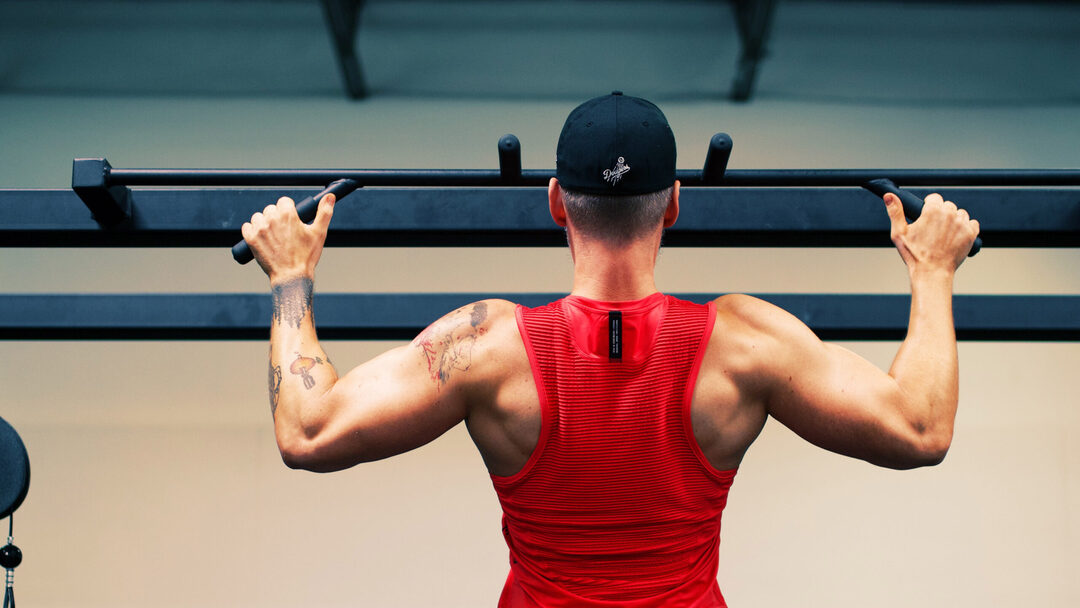
Weighted dips effectively scale bodyweight strength into clear, trackable overload, making it easier to measure progress instead of just guessing.
When done correctly, they help increase chest and triceps size while also revealing weaknesses in depth control, scapular stability, and elbow tolerance.
Additionally, using an AI fitness app can provide you with tailored guidance to improve your performance.
How should you load weighted dips?
For a practical benchmark, advanced athletes often set loading targets based on bodyweight rather than random plate loads, because relative strength reflects actual ability. A commonly mentioned elite standard is doing weighted dips with 50% of body weight, as noted in community strength talks.
This number indicates both enormous hypertrophy potential and the need for strong shoulder health. For lifters who prefer absolute numbers, another standard benchmark is getting 10 reps with 25 kg added (Reddit user comment, 2023), a standard many competitors use to confirm consistent, contest-ready pressing endurance.
What technical details matter most when you add load?
Start with strict position control before adding plates. Keep the core hollow and lean slightly forward to focus on the chest. Make sure your elbows are close but not pinned. If you load too much, it can cause mistakes; even a half-inch change in your torso angle can shift the focus from your chest to your shoulder, which might lead to pain later on.
Think of tempo as a safety tool: lower the weight slowly for three seconds until you can do controlled eccentric reps with extra weight. When you find the right groove, you can speed up the concentric phase. Consider the setup as a calibration step, not just an afterthought.
How should you progress without breaking yourself?
Most training systems increase load because they are familiar and easy to do. However, this habit can lead to issues such as poor technique, tight shoulders, and a lack of progress when the volume needs to decrease to recover from heavier one-rep lifts. Solutions like athlete-led programming tools help by tracking progress and providing steady technique reminders as the weight increases.
This way, athletes can keep adding small, manageable amounts while maintaining their range of motion. In practice, this means adding 2.5 kg every one to two weeks during lower-volume training phases or focusing on doing three sets at a slightly lighter weight to build strength before trying to reach max weights.
Who should attempt heavy weighted dips, and when should you pause?
If you have two-plus years of steady upper-body training, can do pain-free full-range unweighted dips, and show reasonable scapular control, it's time to begin moderate weighted progressions. Avoiding mirrors or progress photos because of body-image worries often prevents honest feedback and can slow your progress.
Many athletes hold back their gains just because they find it hard to accept how they look or to see small victories.
When you feel pain shift from muscle burn to sharp joint twinges, it's essential to lower the weight, restore volume, and rebuild control with tempo and partial-range sets.
What programming templates actually work for strength standards?
Using block periodization can be effective. You can start with a 3–5 week accumulation phase that focuses on doing higher repetitions with moderate weight. After that, have a 2-week intensification block in which you reduce your repetitions and focus on heavier single lifts. For peaking, it's recommended to use a 5/3/1 waveover for four weeks.
This method helps you test heavy weights without losing your technique during the training week. Set aside one set in each session as the technique set, performed at 90 percent of your working load. This helps prevent technical decline as your totals increase.
What is a good analogy for weighted dips?
A helpful analogy for understanding weighted dips is tuning a classic car. Just as minor tweaks in timing and fuel can lead to significant performance improvements, ignoring these changes can lead to breakdowns rather than breakthroughs.
How do these benchmarks map to average athletes and progress?
How do those benchmarks relate to average athletes, varying body weights, and realistic progression rates? This is where the discussion becomes particularly interesting.
Related Reading
- How Many Pull Ups Should I Be Able To Do
- Average Bench Press By Age
- Average Grip Strength Male
- Average Bench Press
- How Much Does A Bench Press Bar Weigh
- Average Male Bench Press
- How Much Can The Average Man Bench Press
- Grip Strength Chart
What are the Average Weighted Dips Strength Standards?
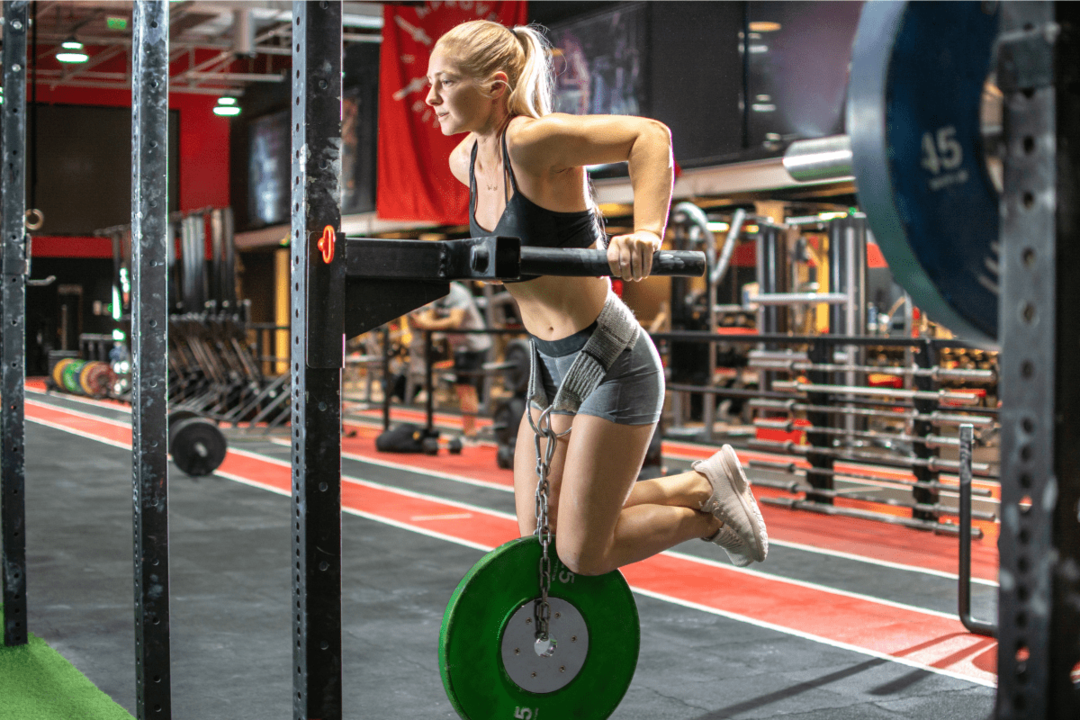
Weighted dip averages are not finish lines; they are reference points for assessing typical progress and setting realistic short- and midterm targets.
Treat these averages as signals about population tendencies and consider your training age, body weight, and injury history to make them personally relevant.
If you're looking to enhance your strength training journey, our AI fitness app can help tailor your workouts effectively.
How should you read an average?
The average is a central tendency, not an ideal you must hit. The average weighted dip for a male lifter is 90 lb. This figure, from Strength Level, reflects the typical added load recorded across their tracked male lifters and shows what most training lifters carry beyond bodyweight, not what elite athletes do.
In practice, this means you should use the average to benchmark your current program, then ask whether your work is focused on endurance, pure strength, or technical consistency before trying to chase it.
What does an average imply for programming choices?
What does an average imply for programming choices? Averages combine a wide range of training styles into one number. For athletes who focus on low-rep, heavy work, progress looks like steady increases in the weight added. On the other hand, high-volume lifters improve their form and control before they start lifting heavier weights.
This pattern explains why many lifters reach a plateau after hitting 15-20 strict bodyweight repetitions. At this point, the training focus must change from endurance-style volume to weighted specificity to help make more progress. Understand which adaptation you are training for, and then adjust your sets, frequencies, and extra exercises to match that specific goal.
How do these standards map across sexes and populations?
How do these standards apply to different sexes and groups? The average weighted dip for a female lifter is 45 lb. Strength Level reports this as the usual load added by the female group they monitor, which helps set fair expectations when looking at relative strength. The important part is to compare relative measures, not just the total weight lifted.
Two lifters who use the same external weight will have very different abilities if their bodyweight and training histories differ. Therefore, change any standard into a ratio or a target adjusted for training age before using it to plan progress.
What realistic progression rates should you expect?
The most common problem I see is impatience. Lifters often add weight faster than their tendons and posture can adjust. You should expect gains that are not always steady. You will see bigger jumps in weight at the start, and then smaller increases each month as you reach intermediate levels.
This is not just a guess; it comes from recognizing patterns in groups of lifters. Beginners see quick progress when their technique and coordination improve. Those at intermediate levels and above need to carefully plan their workouts, focus on accessory exercises for their triceps and shoulder blades, and take time to recover to lift more than the average. With personalized support, our AI fitness app makes it easier to track your progress.
How can technology help track progress?
Most athletes track their progress the old-fashioned way, logging plate increases and pursuing personal records. While this method is simple and visible, it becomes problematic when minor technical errors accumulate, recovery times lengthen, and injuries require long breaks from training. This is when progress can stop.
Solutions like GetFit AI offer legend-derived progression templates, athlete-led technique cues via in-app chat, and auto-adjusted loads based on session feedback. With these tools, lifters can keep adding meaningful weight with fewer setbacks and achieve more consistent milestones.
How should you interpret average standards?
Think of averages as a citywide temperature report. They help with planning, but not for the exact hour you go outside. Averages show the overall climate of performance, not the microforecast for your next training session.
This difference shows why targeted coaching, careful progress tracking, and context-aware tools are essential. They change numbers from just hopes to things you can actually do.
One crucial detail affects how we should understand every number. The following section will explain why this is important.
1RM vs. Reps-Based Standards
1RM and rep-based standards should be seen as different tools rather than as competing ideas. Use 1RM when you want a clear limit in heavy workouts and peaking.
On the other hand, use rep-based standards when you need safe, repeatable daily load advice and want to build muscle through volume. Each method helps the other; picking one should depend on the specific question you need to answer, not just on what you usually do.
When should you prioritize an actual 1RM test?
If you aim to set percentages for intense strength work or to check peak ability before a competition, a direct 1RM provides the best measurement. The key point is the method: getting a true 1RM requires controlled warm-ups, careful technique, and enough recovery to ensure the test shows ability, not tiredness. A controlled 2012 study found that the 1RM test is highly reliable for standard lifts, with a reliability coefficient of 0.98 for the bench press. This stability shows that when the rules stay the same, single-rep testing gives consistent results.
How reliable are maximal tests across the body, and what does that imply?
Lower-body maximal tests can be even more consistent than upper-body ones. This consistency is essential when comparing squat and pressing standards across different programs. The same 2012 analysis reported that the leg press 1RM test demonstrated a reliability coefficient of 0.99.
So, when a reliable baseline is needed for heavy lower-body workouts, a well-conducted 1RM test can provide that. The implication is practical rather than just academic: if the test protocol is strict, a valid maximum yields low measurement noise. This accuracy allows the use of small percentage jumps without worrying about whether any change came from the athlete or the test itself.
Why do rep-based estimates still matter?
Rep-based standards reduce exposure to maximal strain and allow the accumulation of practical volume under submaximal stress. This approach maintains the technique and reduces joint risk over time. It also provides more valuable session data; for example, a set of eight reps at a tough load yields consistent details on control, pacing, and fatigue, which a single heavy lift does not.
The trade-off is prediction error: as the number of reps goes up, the estimate of one-rep capacity becomes less accurate. So, make critical decisions based on lower rep estimates when precision matters.
What breaks both approaches in practice?
Technique drift, inconsistent warm-ups, and scheduling are the usual problems. This pattern can be seen in both beginners and experienced lifters. Avoiding maximal testing because of fear of injury results in programs that do not adjust intensity correctly.
On the other hand, trying max lifts without a steady plan can lead to more variation and setbacks. The practical rule to follow is to set up the testing routine first, then choose the method that matches your training frequency and risk level.
How can technology help manage intensity?
Most lifters manage intensity based on how they feel and their personal bests because this method is familiar. This approach might work for short periods, but as things get more complicated, like having more athletes, busier sessions, and training peaks, these habits can break down the program and recovery. This breakdown leads to wasted training time and increases the chances of hidden injuries.
Platforms like the AI fitness app centralize progression logic by providing expertly crafted routines, offering technique tips during sessions, and automatically adjusting loads based on session feedback. This keeps intensity well-managed while reducing guesswork and minimizing problems that occur when programs expand.
What should you know about testing rules and traps?
Ready to train like the legends and get the body you've always wanted? GetFit AI's AI fitness trainer app lets users follow the same workout routines that helped Arnold Schwarzenegger, Kobe Bryant, Cristiano Ronaldo, and Serena Williams become champions, along with many other top athletes. Users can also chat with them anytime for guidance or motivation.
Download the #1 rated AI fitness app for free today to get fit for less than the cost of a single month's gym membership. Greatness isn't something you're born with; it's built one workout at a time.
Related Reading
- Bench Press Standards
- Do Pull Ups Work the Chest
- Symmetric Strength
- Grip Strength Norms
- Average Deadlift Weight
- 1 Rep Max Chart
- Average Male Deadlift
- Good Bench Press Weight
- Weightlifting Standards
How to Test Your Weighted Dip Strength
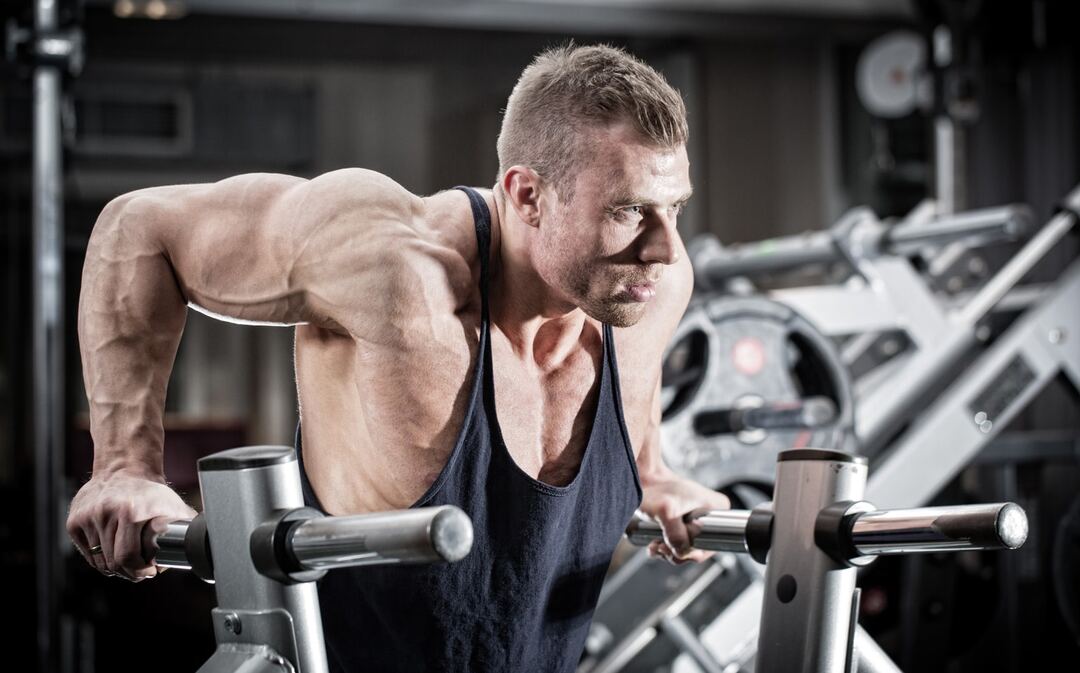
You test weighted dips by treating the lift like a multi-dimensional exam, not a single max attempt. You should measure peak load, end-range tolerance, and the technique's breakdown under repeated stress. A simple method combines controlled eccentric movements, timed isometric holds, and short repeated singles. This method helps you learn both your capacity and the failure modes that can block steady progress.
What warm-up and ramp gives the cleanest signal?
Start with movement-specific priming to activate the exact pattern you will test. Begin with 5 minutes of thoracic mobility and banded scapular depressions. Then, do eight slow bodyweight dips with controlled 3-second descents to load your shoulders and chest without getting tired. Follow this with two sets of three explosive reps at 40-60% of your expected test load to prepare for speed. Finally, do a pair of doubles at a heavier but comfortable load. The goal is to keep your nervous system calm and ensure accurate movement, not pumped muscles that may hide your actual capacity.
How can eccentric and isometric checks reveal hidden limits?
Add a set that focuses on eccentric movements with 3- to 5-second descents, using moderate weight. Also, include a bottom-position isometric hold for time with a similar load to challenge your tendons and end-range control. These two tests can help you determine whether your limiting factor is neural strength, muscle size, or the load your shoulder and elbow can handle. Think of the eccentric exercise as a test for tendon stress and the isometric hold as a gauge for end-range tolerance; both will tell you if trying to lift heavier weights will be helpful or just lead to injury.
What does a reliable repeated-singles protocol look like?
Instead of doing one dangerous maximum lift, do five singles at around 90 to 95 percent of your best clean lift. Make sure to achieve full technical depth on each try, paying attention to changes in depth, head position, and how fast you lift.
If you notice your depth shortening or your torso angle changing a lot by the third rep, that indicates a technical problem to fix before adding more weight. Record these attempts on video and write down when the breakdown starts, since that timing will help you understand what to improve.
Which accessory checks help triangulate an actual limit?
Use two complementary tests on the same day, like a weighted push-up for trunk stability and a controlled close-grip press for lockout strength. If the weighted dips are poor but the close-grip media is strong, consider scapular or end-range shoulder weakness.
On the other hand, if the press struggles but dips are good, the problem is likely elbow capacity or triceps capacity. This method helps avoid blaming failures just on strength when the real issue might be with stability or range.
How often should you run a whole testing block?
Treat a full test battery like a performance checkpoint, not weekly fun. For most athletes, thorough testing should be scheduled every 10 to 14 weeks.
Older lifters or those with past shoulder problems may only try maximal lifts less often. Between tests, use short diagnostic probes to tweak technique or accessory work without restarting the whole cycle.
Why Track Velocity and Small Technique Markers Rather Than Only Plates?
Concentric speed and consistent depth serve as early warning lights for potential issues. Using a wearable device or a smartphone app that measures concentric tempo helps to track small losses. These tiny declines can predict bigger problems before they lead to injuries. In short, speed and depth provide the real data, while absolute plates only serve as the headline.
What causes dangerous habits in testing?
Most athletes try to beat a single personal record (PR) because it feels clear and comfortable. However, this habit masks measurement noise and increases the risk of injury. As more athletes do this, their training programs become less effective, and the real technical problems they face go unnoticed.
Platforms like GetFit AI offer standard test templates, automated video feedback prompts, and plans based on legends. This helps athletes receive consistent evaluations and make better decisions, rather than risking their safety through noisy PR attempts.
How should you interpret the results in context?
Interpret tests on three axes: peak load, movement quality under load, and recovery between attempts. If the peak load is high but quality collapses early, focus on technique and eccentric tolerance before adding more weight. On the other hand, if the quality remains steady but the peak load is low, shift your attention to accessory strength and neurological intensity. It's also important to consider training age and recent load history when deciding whether a number is a milestone or a red flag.
Do weighted dip tests matter for hypertrophy and elite scaling?
Yes, weighted dip tests are crucial because they show if a program should focus on volume, tempo, or relative loading to help muscles or tendons adapt effectively. This difference is essential for achieving long-term results, including triceps growth. For example, research suggests that weighted dips can improve tricep strength by 30% over 12 weeks (MPDS Streetlifting Blog, 2025). This highlights how important it is to have structured testing to guide program selection rather than just guessing.
Athletes aiming for high relative strength should also know how professionals adjust their load. For instance, elite athletes can perform weighted dips with an additional 100% of their body weight, according to Heavyweight Calisthenics (2022). This example helps to separate advanced goals from practical short-term targets.
What to watch for the day after testing?
Track soreness, quality of sleep, and range of motion for 48 hours. If you feel a sharp spike in joint pain or a steady loss of range, it shows you've hit a tolerance boundary, not a strength wall. In these situations, it's essential to lower the loading density, take more time to recover, and focus on the specific weaknesses identified by your diagnostics.
How should testing feel?
Testing should feel like running a measured inspection, not a hurried race. Taking this approach ensures the data will give you clear insights for your next training block.
What is the stubborn variable in testing?
This method works until you come across a stubborn variable that no one tells you about.
How to Improve Your Weighted Dips Strength Performance
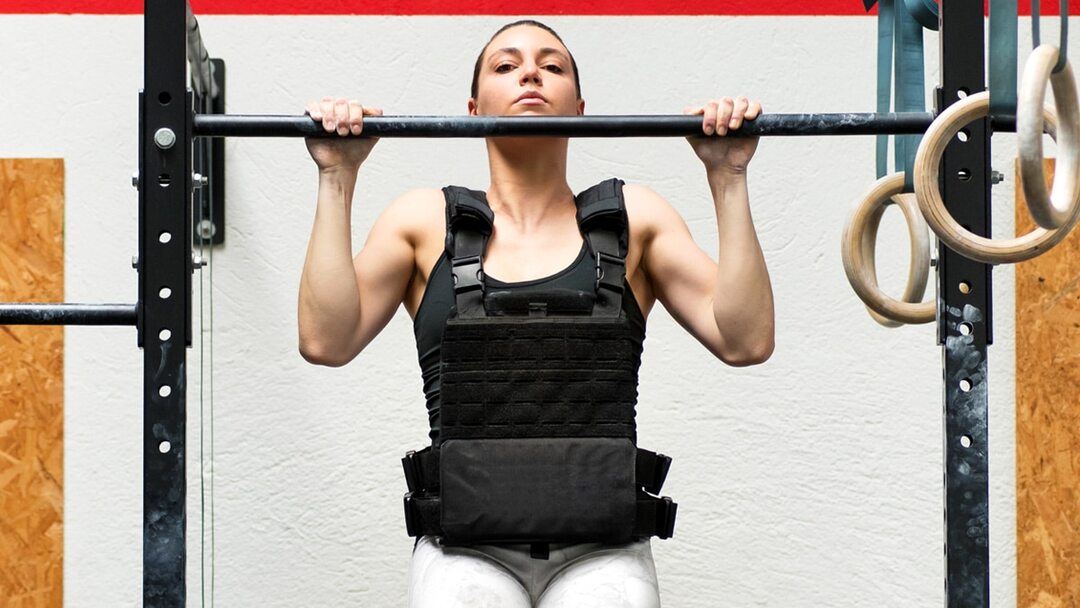
You improve weighted dips not by relying solely on strength or adding weights, but by changing your technique, boosting your nervous system response, building tolerance in your connective tissues, and improving your daily recovery methods. This combined approach ensures that every extra pound helps you, not hurts you.
How can slight changes in leverage help you get stronger without losing your technique?
Adjust where the weight sits relative to your shoulder joint rather than just increasing the weight on the belt. Move your hands a little wider or closer together, turn your wrists a bit to align your forearms better, or adjust where you attach the belt so the weights hang lower and closer to your center of mass.
These changes can lessen the moment arm at your shoulder. Using rings and parallel bars can also change the torque involved. Think about switching between both: use stable bars for heavier sets and rings for short periods of stability overload. Trying one practical change for two weeks while tracking your repetitions and torso angle can help you figure out which adjustments keep your depth and concentric speed.
What Nervous System Approaches Actually Move the Needle on 1RM-Style Dips?
Treat heavy dip sessions like short sprints, not long-distance runs. Use cluster sets and high-intent singles to train your motor recruitment: for example, try three clusters of four singles, resting for 20 seconds between singles and 2.5 to 3 minutes between clusters, keeping each concentric explosive.
Alternate these sessions with controlled eccentrics and fast concentrics at 60 to 70 percent of your working weight. This mix gets your central drive ready while reducing overall fatigue so you can make heavier attempts more often without getting tired.
How do you build tendon and joint resilience so that heavy loading is durable?
Building tendon and joint resilience for heavy loading requires a slow approach. Tendons adapt slowly, so it's essential to first apply low stress before adding significant weight. One good method is to use two to three weeks of higher-volume, lower-intensity eccentric and isometric work. This can include workouts like 3 sets of 6 slow eccentrics at lower weights and 3 sets of 10-second bottom holds using bodyweight or light added weight.
After this period, gradually increase the intensity every two weeks. Think of tendon work like seasoning a cast-iron pan, applying slow heat over weeks to create a surface that can handle heavy use. If you rush it, you'll end up with cracks rather than the ability to withstand loads.
How should nutrition and daily stress shape your dip cycles?
Nutrition and daily stress can significantly affect dip cycles. This is a challenge for athletes who want to lose fat while keeping their strength. Calorie deficits can weaken the nervous system and recovery, which can lower motivation when progress slows down. To reduce these effects, it is essential to maintain a high protein intake and consume a small amount of carbohydrates before heavy training sessions. This helps protect the quality of training. Timing caffeine 30 to 60 minutes before essential workouts can boost motivation.
Also, treating sleep as an essential part of recovery is very important. If your training-rated Rated Perceived Exertion (RPE) starts to rise while your bodyweight goes down, it's smart to slow progression and focus on the quality of your sessions rather than just increasing weights. These minor course corrections can help you stay consistent and motivated while training. For more insights, consider exploring the AI fitness app.
When is it time to change strategy rather than chase more weight?
When is it time to change your strategy instead of just trying to lift more weight? If you notice that your concentric speed drops a lot, your bottom position gets shorter, or your reps-in-reserve decrease over two heavy sessions, it's smart to switch your goals for 3 to 6 weeks. You should transition to a tempo or volume block that focuses on restoring quality.
Follow these simple rules: if your session RPE goes up by two points without adding more weight, or if you see a technical breakdown by the third rep, stop trying to add more weight and instead work on rebuilding control. These rules help avoid long deloads and keep your progress steady.
What does the typical and extreme performance look like?
For perspective, remember what typical and extreme look like in real squads: according to Heavyweight Calisthenics, the average person can perform 10-15 dips with their body weight. This explains why early progress is often volume-driven. At the same time, Liftoff Blog notes that for some lifters, the challenge may be in the 200s or 300s. This is a reminder that the endgame scales far beyond beginner targets and requires an entirely different build plan.
How can a simple diagnostic habit change outcomes?
A short diagnostic habit can significantly change outcomes. Videoing your heaviest set once every two weeks helps you see exactly which rep's depth or speed is weak. By noting this, you can plan the next two weeks to focus on that specific rep with targeted assistance work and nervous-system priming. This small but effective habit turns guesses into clear actions you can measure.
What is the next piece to progress sustainably?
That simple rule sounds final, but the next part shows a deeper way to make progress feel personal and sustainable.
Make Your Favorite Athlete Your Fitness Trainer | Try GetFit AI's AI Trainer App for Free Today
Chasing weighted dip strength standards can often feel like putting together guesses from workouts you only half remember. This uncertainty can drain your momentum. Consider GetFit AI; it combines legend-derived routines, athlete-style in-app chat, and adaptive progression. This mix gives you clear technique cues, daily goals linked to strength benchmarks, and steady, trackable gains without a high gym bill.
Related Reading
- Average Bench Press By Age 16
- Best Free Workout Apps
- Best Calisthenics Workout App
- Average Deadlift Weight For Male
- Average Deadlift Weight Kg
- Best Workout Apps
- Best Hiit Workout App
- Best Workout Tracker App
- Average Bench Press Kg By Age
- Best Gym Workout App
- How Many Pull-Ups Can the Average Person Do
- Pull-Up Strength Standards
- Weighted Pull-Up Standards
- Grip Strength Standards
- Average Dumbbell Shoulder Press
- Average Incline Dumbbell Press
.png)