

Pull-Up Strength Standards for Men and Women

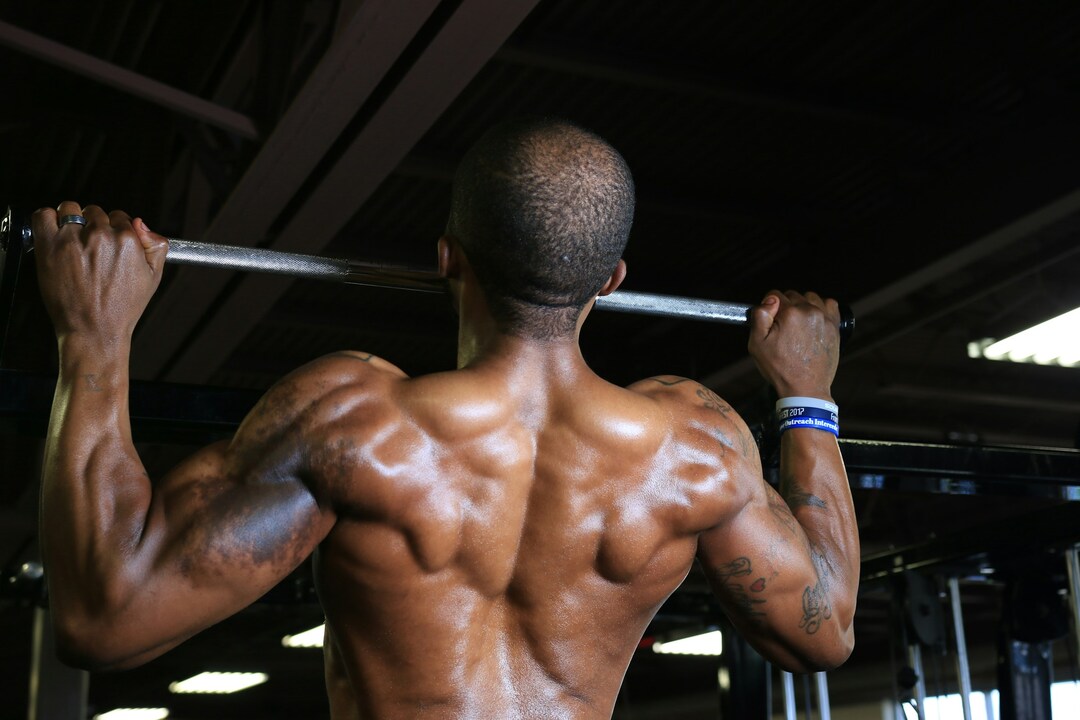
.png)
See how you stack up with pull-up strength standards by age and gender, plus tips to add more reps safely and efficiently.
Within lists of Best Fitness Apps, pull-up strength standards stand out because they turn vague progress into a simple number you can test at the bar, so you know if you are improving or stuck. Have you ever finished five strict pull-ups and wondered if that makes you a beginner, intermediate, or advanced athlete?
This guide breaks down pull-up benchmarks, repetition standards, bodyweight ratios, chin-up and strict pull-up testing tips, form cues, and training progressions, so you can clearly benchmark your upper-body pulling strength against peers at different experience levels.
GetFit AI, an AI fitness app, reads your results, maps them to clear strength levels, and gives simple plans to move you from one category to the next.
Summary
- Average pull-up capacity clusters in a functional mid-range, with many men doing 6 to 12 pull-ups and many women doing 1 to 3, showing most people begin with only a handful of reps and need targeted stimulus to improve.
- Specific, athlete-style programming moves the needle more than volume alone. 80% of beginners can increase their pull-up count by focusing on proper form and consistent practice, and a practical frequency is 2 to 3 structured sessions per week, mixing tempo, weighted progressions, and assistance.
- Resistance bands work when used as graded assistance rather than a crutch, with newcomers able to see about a 50% increase in pull-up strength within 3 months. An applicable rule is to pick a band that allows 3 to 6 clean reps and step down every 2 to 3 weeks.
- Intermediate and advanced lifters benefit from engineered cycles, for example, 6 to 12 week blocks alternating strength, power, and accumulation phases, and set schemes like 6 to 8 clusters of 3 reps with 20 to 30 seconds rest preserve intent while accumulating quality work.
- Meaningful standards normalize for bodyweight and leverage, using weighted tests and load-to-bodyweight ratios instead of raw reps, and standard anchors place average male pull-up ability near 8 reps and average female ability near 1 rep for comparison.
Measurement, recovery, and targeted accessories matter: track the same three metrics each session, first-set reps, average eccentric tempo, and perceived exertion, schedule deloads every 4 to 6 weeks, and include grip work of 3 to 4 sets to speed usable gains. - GetFit AI's AI fitness app addresses this by reading your test results, mapping them to clear strength levels, and automatically adjusting band resistance, tempo targets, and recovery windows into daily individualized targets.
How Many Pull-ups Can the Average Person Do?
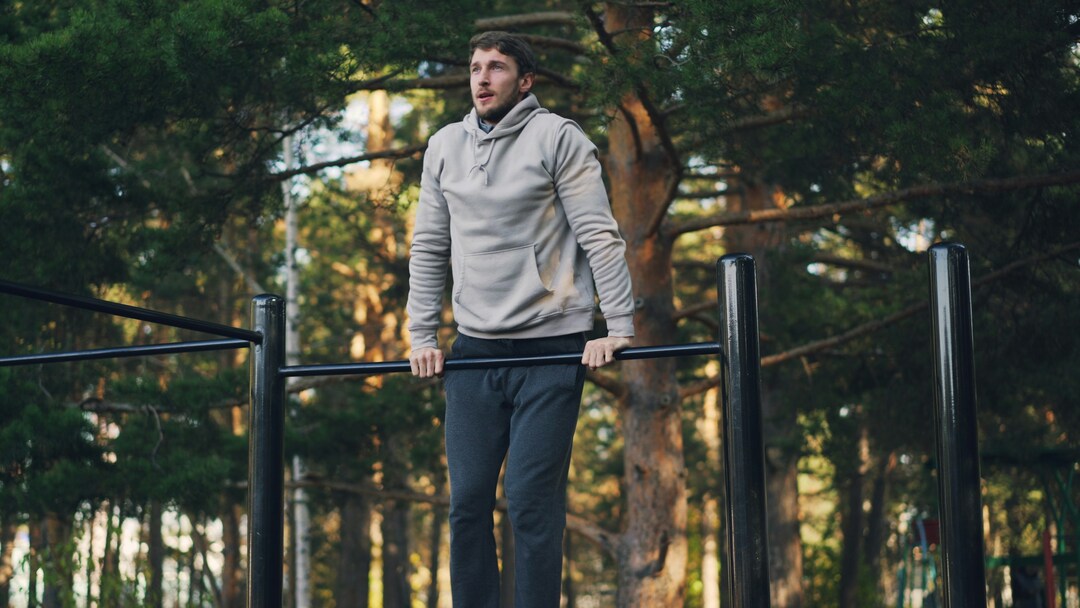
Most people can do only a handful of pull-ups when first tested, and those raw counts tell you more about training history than potential. Pull-up strength standards turn those counts into practical, athlete-informed benchmarks you can train toward.
How many pull-ups does an average person actually do?
According to Everyday Health, the average man can do 6 to 12 pull-ups; many men cluster in a mid-range that aligns with functional, repeatable strength rather than elite capacity. At the same time, according to Everyday Health, the average woman can do 1 to 3 pull-ups, a gap that highlights how programming and focused upper-body work are often missing from general fitness plans.
Why do those averages look the way they do?
This challenge appears across novice lifters and time-pressed athletes: upper-body pull strength requires specific stimulus, and general gym time rarely provides it. It's exhausting when you grind through circuits for months and see little change in your pull-up count. Technique, relative bodyweight, eccentric control, and progressive overload all matter more than random pulling volume.
What training patterns actually move the needle?
Start by thinking like an athlete, not a checklist. Bodyweight rep targets are helpful, but elite routines mix methods: tempo work to build control, weighted pull-up progressions to add overload, and assistance or negatives to extend volume while preserving form. For example, an athlete program might include tempo sets (3 seconds down, explosive up), one heavy-weighted set for 3 to 6 reps, and two assistance-driven sets to accumulate quality reps, scheduled two to three times weekly with a planned deload every fourth week.
Most people do pull-ups by trying harder, not smarter; that creates a gap you can close
Most trainees add reps ad hoc because that feels straightforward. That familiar approach works early, but as reps climb, technique breaks down, recovery lags, and progress stalls. Platforms like GetFit AI translate elite routines into individualized progressions, with tempo prescriptions, weighted increments, and recovery windows, so you follow the same training principles the greats used without guessing or overreaching.
A quick example that shows what I mean
When we redesigned a 12-week plan for a client who could only do two strict reps, we prioritized eccentric overload and targeted assistance, shifting frequency to three structured sessions per week. Their rep count rose to ten progressive reps while preserving form, because the program controlled tempo, added microloads, and scheduled recovery rather than chasing raw volume.
What really separates an average performer from an elite one?
The gap is mostly about specificity and scalability. Elite performers train with progressive weighted pull-ups, strict tempo, and neurological work that converts strength into efficient reps. Body composition and leverage matter, but the multiplier is programming: consistent microprogressions, periodic intensity blocks, and technical checks prevent plateaus and turn ordinary reps into athletic performance.
That simple-looking average hides a decision point you'll have to face next.
Related Reading
- How Many Pull Ups Should I Be Able To Do
- Average Bench Press By Age
- Average Grip Strength Male
- Average Bench Press
- How Much Does A Bench Press Bar Weigh
- Average Male Bench Press
- How Much Can The Average Man Bench Press
- Grip Strength Chart
How to Do More Pull-Ups as a Beginner
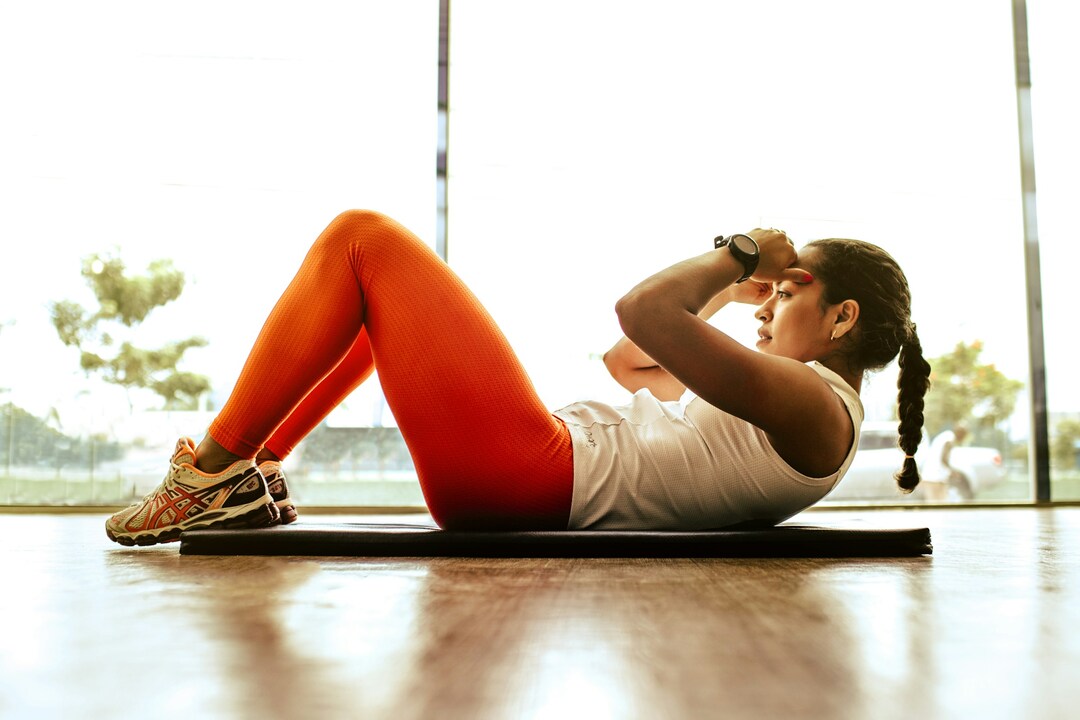
Treat pull-up progress like a small, measurable engineering problem: pick a repeatable test, control the assistance or load, and chase tiny weekly gains in quality rather than raw quantity. Do three focused sessions a week, log the same test each time, and reduce assistance or increase time under tension in small steps until unassisted reps rise.
How should I structure weekly sessions?
Build contrast between a strength day, a volume day, and a technique day. On strength day, attempt the most challenging assisted or partial reps you can with perfect position, keeping sets short and rest long. On volume day, accumulate quality reps through band assistance, inverted rows, and controlled eccentrics. On technique day, focus on scapular control, active hangs, and explosive negatives for 10 to 15 minutes to train coordination and nervous-system efficiency. Treat each session like a block of experiments: change one variable at a time and record the outcome.
What simple metrics actually prove progress?
Track the exact three numbers every session: first-set reps at the chosen assistance level, average tempo on eccentrics, and perceived exertion. These reveal whether strength, control, or endurance is improving. That matters because 80% of beginners can increase their pull-up count by focusing on proper form and consistent practice. Use the first-set reps as your calibration point; when that number nudges up week to week, your program is working.
How do I use resistance bands without becoming dependent on them?
Use bands as a graduated tool, not a crutch. Pick an assistance level that lets you finish 3 to 6 clean reps, then repeat that same band for two to three sessions while you improve tempo and scapular mechanics. Every two to three weeks, step down one band thickness or shorten the band loop. That gradual removal is deliberate because newcomers can achieve a 50% increase in pull-up strength within 3 months by incorporating resistance bands. Plan the band change as an objective, not a feeling.
Why do form and scapular control matter more than more reps?
This is where most beginners lose efficiency: they try to pull harder with the arms and let the shoulders drift forward, so force leaks. This pattern appears across gyms and training backgrounds, and it explains why some people can be strong but not convert that into more pull-ups. Think of the shoulder girdle like a hinge; if the hinge is loose, you burn energy without moving the load. Training a tight scapular setup and a controlled descent channels effort into the muscles that actually move you.
What recovery and mobility habits speed gains?
Short, daily sessions of thoracic extension, banded shoulder dislocates, and three sets of active hangs for 20 to 40 seconds restore the range and connectivity you need. Prioritize quality sleep and add a deload week every 4 to 6 weeks when you notice persistent soreness or stalled first-set reps. Recovery is not optional; it’s the invisible half of every microprogression.
Status quo friction, and a better bridge
Most beginners assemble drills from videos and coach themselves by feel, which is familiar and low-friction. That approach works early, but as you try to remove assistance, minor technique faults and inconsistent load choices compound into months of slow progress. Platforms like GetFit AI translate athlete-level progressions into dynamic prescriptions, automatically adjusting band resistance, tempo targets, and recovery windows while providing on-demand coaching cues, so the minor adjustments that actually matter happen reliably rather than being left to guesswork.
Which accessory moves are high-leverage for beginners?
Focus on inverted rows with varied angles, single-arm isometric holds, and half-lat pulldowns that emphasize the bottom 30 degrees of the pull. Train grip strength separately with 3 to 4 sets of hangs or farmer holds; better grip often unlocks extra reps without added training time. Rotate these accessories in two-week blocks so each movement has enough stimulus to create change before you swap it out.
A quick rule for progression planning
Pick a realistic microgoal every two weeks, for example: add one clean first-set rep, shorten band assistance, or increase eccentric duration by one second. Small wins compound into durable strength when you hold form as nonnegotiable. Progression without form is just repetition masquerading as improvement.
That solution feels satisfying until you meet the next performance challenge, and that’s exactly what makes the next step so revealing.
How to Do More Pull-Ups as an Intermediate or Advanced Weightlifter
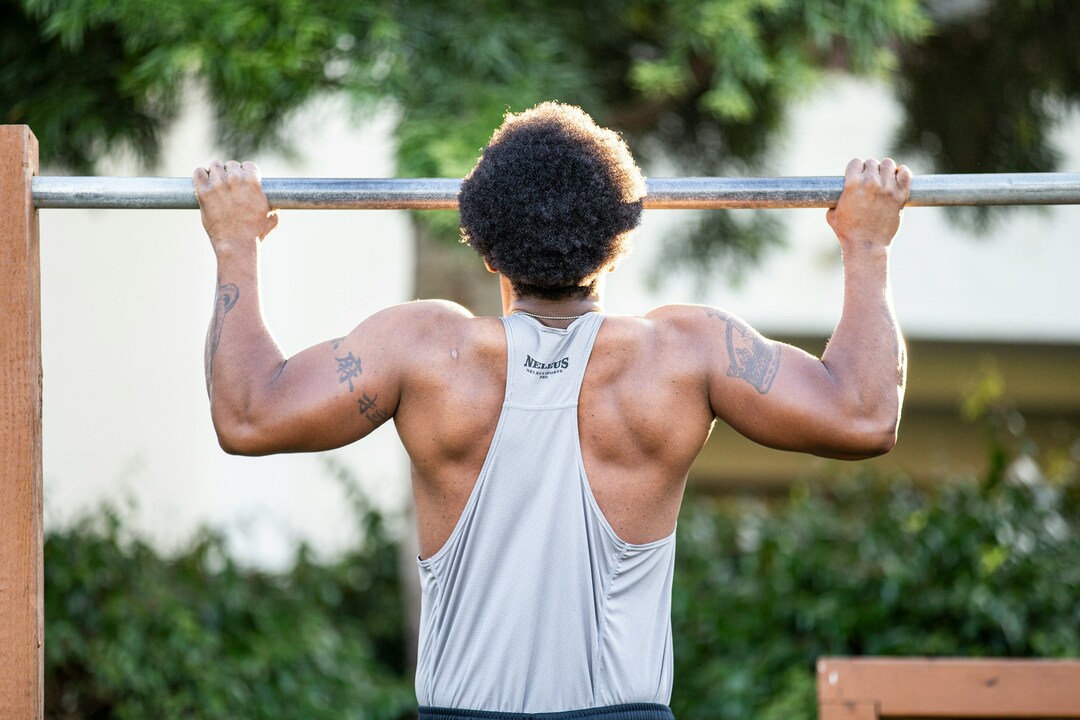
The fastest way to add reps as an intermediate or advanced lifter is to stop guessing and program deliberate blocks that target strength, power, and the exact sticking points that waste your reps. Treat pull-up progress as an engineered cycle: alternate heavy, low-rep strength phases with short power blocks and a timed volume phase, then measure progress with weighted-pull-up tests and velocity cues.
How should you structure the training cycle?
Build 6 to 12 week blocks with a clear goal each block, for example: 6 weeks of strength (heavy weighted sets), 3 weeks of power (explosive concentrics and plyo pulls), then a 2 week accumulation block for volume and conditioning before a planned deload week. Use objective checkpoints every 2 to 3 weeks, such as a 3-rep max with added weight or a timed set at a fixed load, so each block either raises your baseline or reveals the exact weak link to correct.
What advanced set schemes actually break plateaus?
Cluster sets and wave loading convert a single brutal set into repeatable high-quality reps that preserve intent. Try 6 to 8 clusters of 3 reps with 20 to 30 seconds rest between clusters when training strength, then follow that with 2 technical assistance sets to maintain position. Contrast training works too: a heavy weighted set followed by an unweighted explosive set primes the rate of force development and often adds reps within weeks because your nervous system learns to recruit efficiently.
How do you target sticking points without overcooking recovery?
Use joint-angle isometrics and partial-range overloads for two to three weeks to raise force production at the exact point you fail. Pick the angle where you stall, hold a loaded isometric for 10 to 15 seconds across 4 sets, then immediately follow with 3 to 5 fast, controlled concentric reps. That combination improves the neural bridge at the sticking point without piling on high-volume eccentric damage.
How do you make eccentric work productive for advanced lifters?
Eccentric emphasis should be progressive and specific, not endless slow reps. Use controlled eccentrics of 3 to 5 seconds for hypertrophy and tendon tolerance, then cycle in heavier, short-duration eccentric overload sessions for 4 to 6 weeks to remodel tendon stiffness and strength. This matters because practicing negative pull-ups with Straight Talking Fitness can lead to a 30% improvement in pull-up performance for beginners. Even at higher levels, shifting eccentric strategy periodically unlocks gains you can't coax from more reps alone.
Which accessory choices offer the greatest return for the time spent?
Prioritize unilateral pulling, long-axis core stability, and scapular depressors to fix asymmetry and prevent energy leaks. Replace one general back day every two weeks with a targeted block: one-arm suspended rows, loaded isometrics at the lockout, and heavy dead-hang holds for grip resilience. Those moves fix the mechanical losses that turn raw strength into wasted effort mid-set.
Why measurement matters more than ego-based testing
Rather than chasing a single max-rep test, use weighted metrics and velocity as your north star. Record a weighted 3RM and a 5-rep velocity at a prescribed load, then aim for minor, repeatable weekly improvements. If your velocity at a fixed load drops or your first-set reps stagnate for three tests in a row, that is a signal to change stimulus, not to double down.
Most lifters treat programming as an art, not a system. That familiar approach works early, but as you add intensity and weight, errors compound: inconsistent rest, mismatched loading, and poor angle-specific strength create neural fatigue and tendon stress that stall progress. Platforms like GetFit AI remove that friction by turning athlete-level periodization into automated microprogressions that adjust loads, rest, and technique cues based on your real-time results, and provide on-demand athlete coaching when you need a technical correction.
I know how crushing a plateau feels, because when we reorganized an experienced lifter’s 10-week plan around cluster strength, joint-angle isometrics, and objective weekly checkpoints, they consistently hit heavier 3RM holds and regained progress in four to six weeks — small, measurable wins that rebuilt momentum.
Ready to train like the legends and finally achieve the body you've always wanted? GetFit AI's AI fitness trainer app lets you follow the exact workout routines that made Arnold Schwarzenegger, Kobe Bryant, Cristiano Ronaldo, Serena Williams, and 11+ other elite athletes into champions, and you can also chat with them whenever you need guidance or motivation. Download the #1 rated AI fitness app for free today to get fit for less than the cost of a single month's gym membership, because greatness isn't from birth, it's built one workout at a time.
That feels like progress, but the next question is more challenging and more personal — why do two people on the same program get such different results?
Related Reading
- Bench Press Standards
- Do Pull Ups Work the Chest
- Symmetric Strength
- Grip Strength Norms
- Average Deadlift Weight
- 1 Rep Max Chart
- Average Male Deadlift
- Good Bench Press Weight
- Weightlifting Standards
Factors that Influence Your Pull-Up Strength Standards
Pull-up strength standards come from how you normalize raw reps against the person doing them, and that normalization depends on measurable anchors like population baselines and movement context; population anchors such as Strength Level, the average male can perform 8 pull-ups and Strength Level, the average female can perform 1 pull-up are the reference points we use to convert a raw count into a usable standard. Once you accept those anchors, the rest is about removing confounders so the standard actually predicts transfer to sport and daily performance.
Body Weight and Composition
Body weight plays a critical role in pull-up performance. The heavier the body, the more challenging pull-ups become because the muscles must lift more weight. This challenge increases especially when the extra weight is primarily fat, which does not assist in generating pulling force. In contrast, individuals with a higher muscle mass relative to their fat, despite similar total weight, tend to find pull-ups easier due to a better strength-to-weight ratio. This means that a leaner, more muscular body improves pull-up performance compared to a heavier, higher-fat body.
Sex Differences
Men generally outperform women in pull-up repetitions due to inherent physiological differences. Men typically possess more upper-body muscle mass relative to their total body weight, which directly benefits pull-up strength. Women often have higher body fat percentages and less upper body muscle mass, making pulling their body weight upward more demanding. These biological distinctions contribute to the typical differences seen in pull-up performance between men and women.
Training Specificity
Experience and training history focused on pull-ups significantly influence strength standards. Pull-ups demand specific muscular strength and neuromuscular coordination that exercises mimicking the movement, such as lat pulldowns, do not fully develop. Consistent practice of actual pull-ups is essential to build the required muscle activation patterns and endurance. Consequently, a person who regularly performs pull-ups will likely have better pull-up strength, regardless of general fitness or weightlifting experience.
Core Strength and Stability
While upper-body strength is primary, core stability also affects pull-up performance. The core muscles help stabilize the body to maintain proper form during the movement. Heavier individuals require greater core engagement to control body sway and generate efficient motion. Therefore, strong core muscles can enhance pull-up performance by providing the necessary stability and reducing energy leakage during the exercise.
Biomechanics and Leverage
Individual biomechanics, including limb length and muscle insertion points, can affect pull-up difficulty. Variations in body proportions influence leverage and the mechanical advantage during the movement. For example, longer arms may require more effort to complete each pull-up. Thus, biomechanics alongside strength and weight composition create a complex interplay that shapes personal pull-up strength standards.
How should standards adjust for body composition and relative strength?
This is where a single rep count fails. Instead of treating reps as raw truth, I use a relative-strength lens: measure lean mass or simply weight, then test a controlled weighted pull-up to find a ratio that maps to performance. For example, pick a single heavy set with a fixed added load, record reps and perceived exertion, then convert that into a relative score by dividing the load by bodyweight and noting the reps at that load. That gives you an apples-to-apples metric you can compare across body types and track over time. It prevents heavier athletes from being unfairly penalized by raw-rep comparisons.
How do anthropometrics and leverage change what "athletic" looks like?
Arm length, torso height, and hand position change the work per rep. Treat these as constraints, not excuses. When I set standards for athletes, we measure reach and bar-to-feet range of motion, and then run a standard loaded test so two athletes with different limb lengths face identical work demands. If you skip this, you reward short-lever athletes and undercount long-lever ones; that mismatch explains why identical training often yields different rep totals even when true strength improved.
What role do nervous-system efficiency and tendon health play?
Strength on the bar is as much neural as muscular. Faster motor unit recruitment, better intermuscular coordination, and tendon stiffness are reflected in cleaner, higher-quality reps under fatigue. You can observe this by comparing a fresh max rep to a fatigued repeat test: athletes with better neural efficiency sustain their first-set quality across sets. That difference is predictable and testable, so standards should include both a fresh max and a short fatigue protocol to capture nervous-system resilience.
What testing conditions distort standards without you noticing?
Small variations add noise: bar diameter, grip width, knurling, whether toes can clear the floor, and rest before the test. I insist on a single protocol for any standard: the same bar, the same grip, the same warm-up, and a fixed rest window before testing. Think of the test like a lab assay; if the equipment changes, the result is unreliable. This simple control reduces week-to-week variance and makes progress meaningful instead of random.
Why do sports background and specializations matter more than general strength scores?
This pattern appears across climbers, gymnasts, and rowers, but the root is adaptation: sport-specific exposures train particular pulling patterns and endurance at specific joint angles. That means a climber might out-rep a lifter on strict pull-ups but still lack the absolute loaded strength to match weighted pull-up standards. When we set athlete-informed standards, we separate endurance-style benchmarks from maximal-force benchmarks so each athlete follows targets that actually transfer to their sport.
Most people manage standards by testing one way because it is familiar and low-friction. That works at first, but as teams or programs scale, inconsistent tests and one-size thresholds create false positives and stalled development. Platforms like GetFit AI centralize athlete baselines, enforce consistent testing protocols, and translate elite routine metrics into individualized targets, so coaches and athletes maintain comparable standards as variables multiply.
A short analogy to make this concrete: treating every pull-up test the same is like using the same shoe size chart for runners and hikers, then wondering why one group gets blisters, and the other gets blunted performance; proper fitting matters.
What I watch next is how you convert those standardized scores into daily targets that actually change performance — and that conversion is where most programs either succeed or break.
That next move is more revealing than any rep count, and it forces a choice you will want to see.
Make Your Favorite Athlete Your Fitness Trainer | Try GetFit AI's AI Trainer App for Free Today
We know progress stalls when standards stay abstract, not because you lack effort; you deserve a transparent bridge from your current rep test to athlete-informed pull-up benchmarks that map tempo, weighted progression, and repeatable testing into something you can measure. Consider GetFit AI, which runs a short calibration, converts those standards into daily, individualized targets with on-demand coaching cues, and lets you validate real gains with consistent test metrics starting on a free tier.
Related Reading
- Average Bench Press By Age 16
- Best Free Workout Apps
- Best Calisthenics Workout App
- Average Deadlift Weight For Male
- Average Deadlift Weight Kg
- Best Workout Apps
- Best Hiit Workout App
- Best Workout Tracker App
- Average Bench Press Kg By Age
- Best Gym Workout App
- How Many Pull-Ups Can the Average Person Do
- Weighted Pull-Up Standards
- Weighted Dips Strength Standards
- Grip Strength Standards
- Average Dumbbell Shoulder Press
- Average Incline Dumbbell Press
.png)